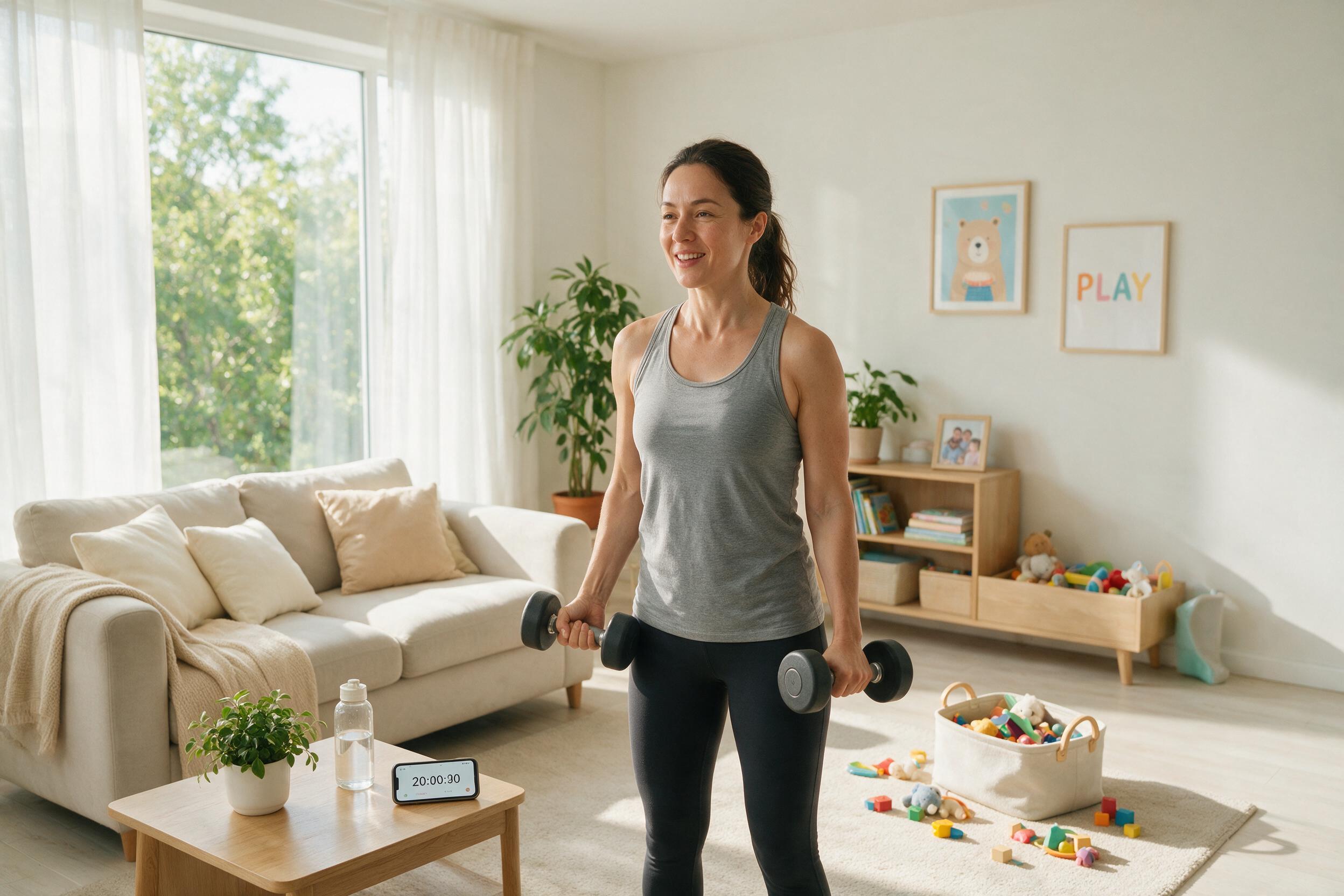
The Busy Parent’s Guide to Working Out:
By Liam Smith — Fitness enthusiast and founder of Apexfito. I test gear at home and share what actually works.
Why 20 Minutes Works for Parents Like You

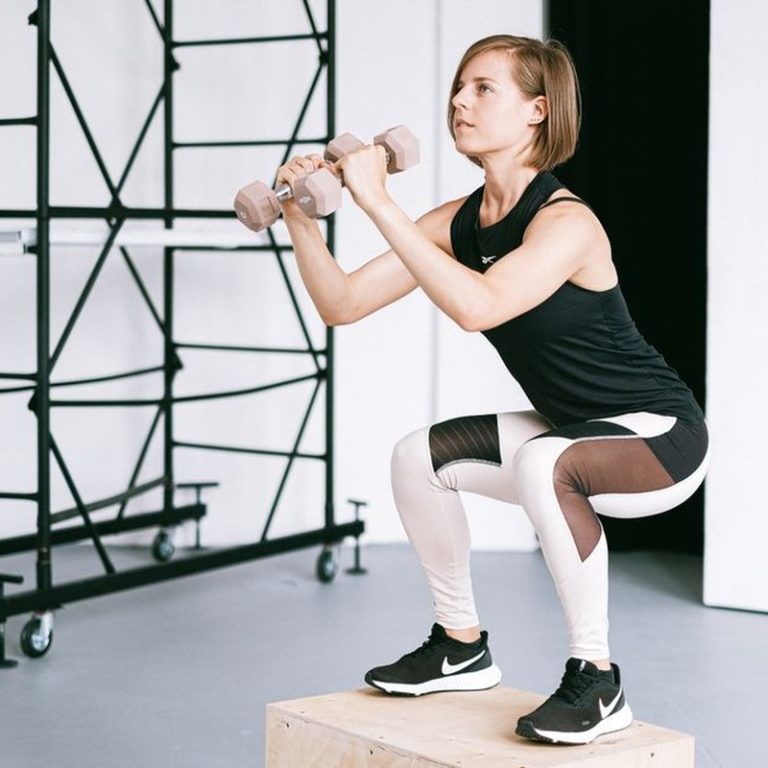
When you’re a parent, every minute counts. The idea of carving out an hour for the gym can feel like a fantasy. But you don’t need an hour. Twenty minutes is enough to get real results, and here’s why. Harvard Health notes that keep your back straight and lower your hips until your thighs are parallel to the floor.
Short workouts lower the mental barrier to starting. When you know you only have to move for 20 minutes, it’s much easier to say yes. No more negotiating with yourself. You can always find 20 minutes — during nap time, while the kids watch a show, or before anyone else wakes up.
The science backs this up. High-intensity interval training (HIIT) and circuit-style routines build fitness faster than longer, steady-state cardio. Short bursts of intense work followed by brief rest periods spike your heart rate and keep it there. You get more done in less time. A 2019 study in the Journal of Physiology found that 20 minutes of HIIT improved cardiovascular fitness and burned fat as effectively as 40 minutes of moderate cardio.
Consistency beats duration. Doing 20 minutes five days a week outperforms two-hour sessions once or twice a week. Your body adapts to regular stimulus, and you build momentum. That daily habit is what transforms your fitness, not the occasional marathon workout.
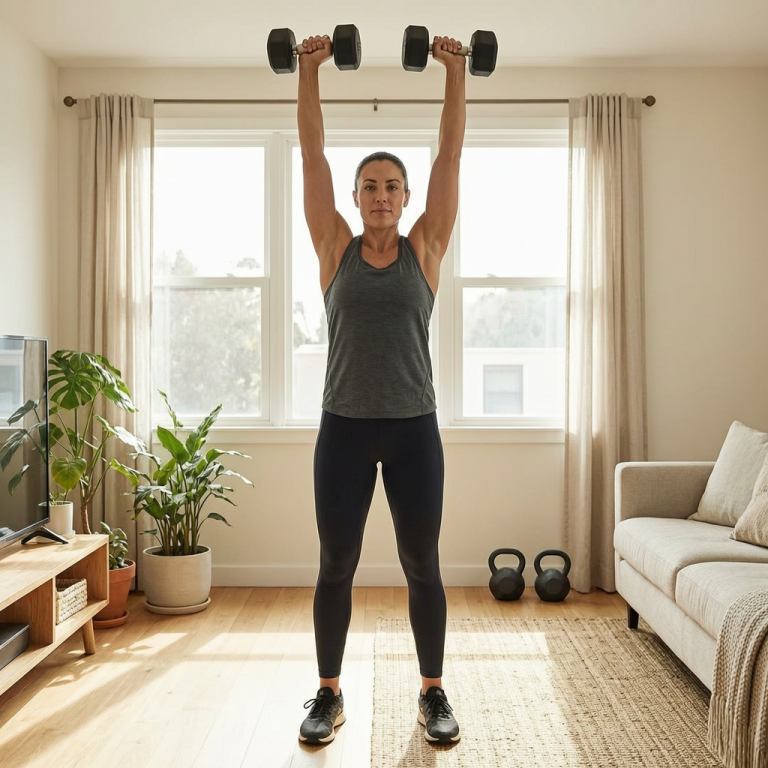
And you don’t need a gym or special equipment. Your living room floor is all you need. Bodyweight exercises like squats, lunges, push-ups, and planks work multiple muscle groups at once. If you have a resistance band, even better — but it’s not required.
I tried this setup at home after my daughter was born. I started doing 20-minute circuits during her morning nap. Within three weeks, I felt stronger and had more energy. No gym membership, no babysitter, no excuses.
So stop worrying that 20 minutes isn’t enough. It is. And once you start, you’ll see the results for yourself.
Ready to get started? Check current prices on Amazon for resistance bands or a yoga mat to make your home workouts even better. And share your experience in the comments — I’d love to hear how 20 minutes works for you.
Your Weekly Schedule: 20 Minutes, 5 Days a Week
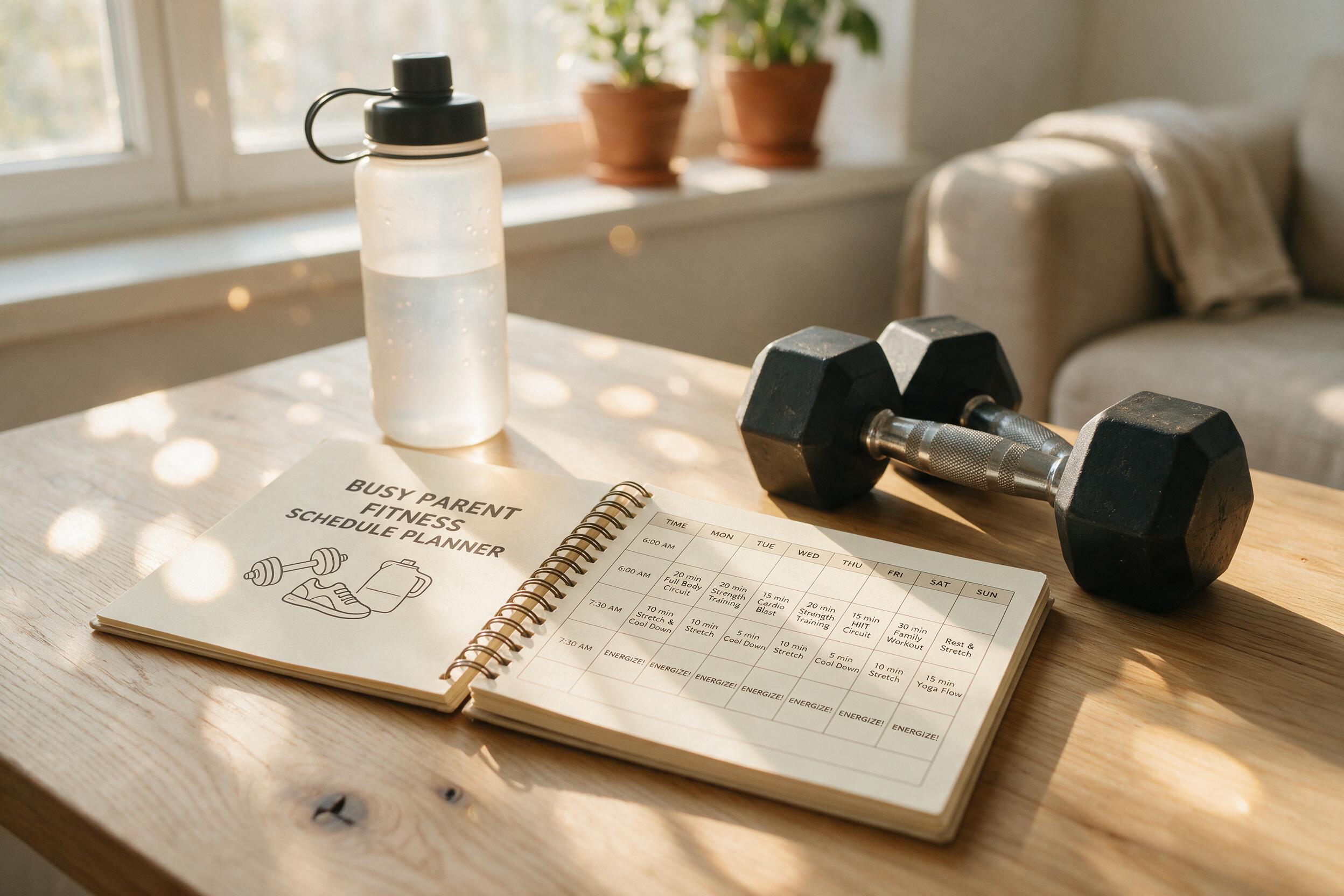
Here’s a sample weekly schedule that fits around kids’ routines, work, and sleep. You can swap days based on your energy levels or family commitments. The key is consistency, not perfection. If you need to modify an exercise—drop to your knees for push-ups, use a chair for balance on lunges, or shorten intervals—do it. This plan is yours to adjust.
| Day | Workout | Details |
|---|---|---|
| Monday | Full-Body Bodyweight Circuit | Squats, push-ups, lunges, planks, glute bridges. 40 seconds work, 20 seconds rest. Repeat 3 rounds. If your toddler climbs on you mid-plank, consider it added resistance. |
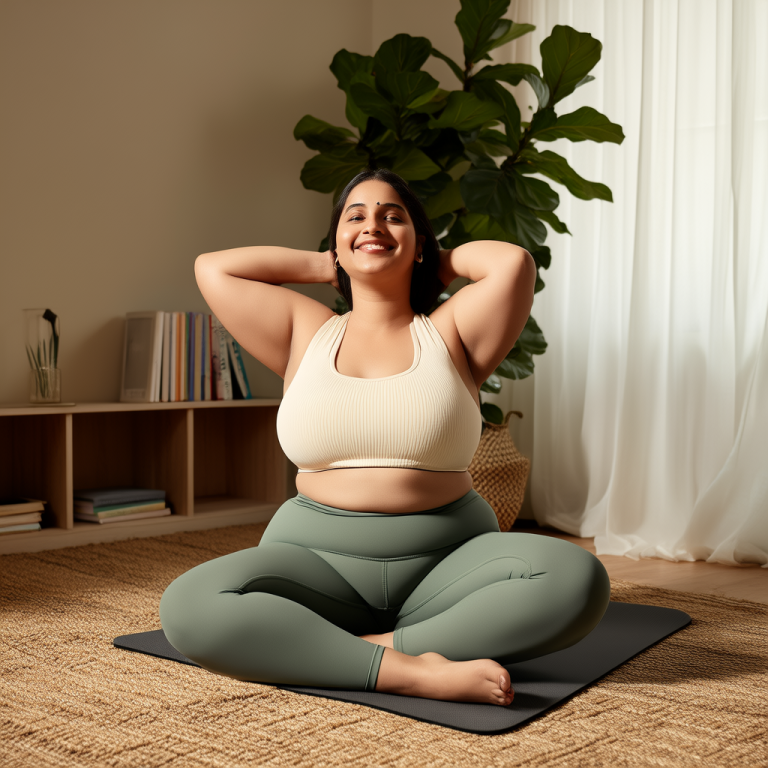
| Tuesday | Active Recovery | 20-minute walk or gentle yoga flow. Keeps the habit alive without straining your body. I often do this while my kids ride their bikes around the block. It’s not a workout, it’s movement—and it counts. |
| Wednesday | Cardio Burst | Jumping jacks, high knees, mountain climbers, butt kicks. 30 seconds on, 30 seconds off, 4 rounds. Gets your heart rate up fast. If you’re short on breath, slow down. The goal is to finish, not to collapse. |
| Thursday | Strength Focus | Resistance band rows, banded squats, banded presses, banded glute bridges. 3 sets of 12 reps each. No bands? Use canned goods or a backpack filled with laundry. I’ve used a bag of flour before—it works. |
| Friday | Full-Body Finisher | Mix of Monday and Wednesday moves. 45 seconds work, 15 seconds rest, 4 rounds. This is your metabolic push. Go hard but controlled. After this, you’ve earned the weekend. |
Stick with this for three weeks, then increase the work intervals by 5 seconds or add one more round. Small progress adds up. And if you miss a day? Just pick up the next one. No guilt.
Check current prices on Amazon for resistance bands or a yoga mat if you want to upgrade your setup. Share your experience in the comments—I’d love to hear how this schedule fits into your family’s routine.
How to Structure Each 20-Minute Session
When you’re a parent, every minute counts. That’s why each 20-minute workout follows a simple, repeatable structure: warm-up, main set, cool-down. No wasted time, no guesswork.
Start with a 3-minute dynamic warm-up. Jumping straight into exercise with cold muscles is a fast track to injury. Do arm circles (forward and back), leg swings (front-to-back and side-to-side), torso twists, and light jogging in place. Keep moving the whole time. I do this while my toddler is still finishing breakfast — it’s easy to multitask here.
The main workout lasts 14 minutes. Set a timer on your phone or use a free app like Interval Timer. Here’s a sample sequence to remove any guesswork: do bodyweight squats for 40 seconds, rest 20 seconds, then push-ups for 40 seconds, rest 20 seconds, then lunges (alternating legs) for 40 seconds, rest 20 seconds, then planks for 40 seconds, rest 20 seconds, then glute bridges for 40 seconds, rest 20 seconds. That’s one circuit. Repeat the circuit 2-3 times to fill your 14 minutes. Keep rest periods short — 20 seconds is enough to catch your breath but not enough to lose intensity. If your kid interrupts, pause the timer and pick up where you left off.
Finish with a 3-minute cool-down. This helps your heart rate come down and prevents stiffness later. Start with deep breathing: inhale for 4 counts, exhale for 6. Then do a hamstring stretch: sit on the floor with one leg extended, reach for your toes while keeping your back straight — you should feel a gentle pull behind your thigh. Next, a quad stretch: stand, pull one foot toward your glute, keeping your knees together and hips forward. End with child’s pose or a forward fold: from standing, hinge at your hips and let your upper body hang loose, or kneel and sit back on your heels with arms extended forward. Hold each stretch for 20-30 seconds. I’ve done this while my kid copies me, which is both adorable and effective.
Hydrate during the workout, not just after. Keep a water bottle within arm’s reach. Take small sips during the 20-second rest breaks. Dehydration hits fast when you’re working hard, and you don’t have time to recover from a headache later.
That’s your 20-minute template. Warm up, work hard, cool down. Repeat 4-5 times a week. Adjust exercises based on what feels good for your body. The structure stays the same.
Progression: Making It Harder Without Adding Time
Once you’ve got the hang of the basic 20-minute routine, the last thing you want is to hit a plateau. I’ve been there — doing the same moves, same reps, same everything — and it gets boring fast. You don’t need more time to keep challenging your body. Here’s how to progress without adding a single minute to your clock.
Add Resistance Bands
Resistance bands are a parent’s best friend. They take up zero space, cost next to nothing, and can turn a simple squat into a real burner. For moves like squats, rows, and presses, loop a band around your thighs or hold it in your hands to increase tension. I keep a set in my living room basket — they’re always within reach when I’m between diaper changes or during nap time. Start with a light band, then move to medium or heavy as you get stronger.
Decrease Rest Periods
Rest is where you recover, but it’s also where you can steal time. If you’re resting 20 seconds between exercises, drop it to 15 seconds for a week, then to 10 seconds. You’ll feel the burn faster, and your heart rate stays elevated. I tried this myself — cutting rest from 20 to 10 seconds made my usual circuit feel like a new workout. Just make sure you’re not sacrificing form for speed. If you notice your squat turning into a lunge or your push-ups getting sloppy, add back a few seconds of rest. Form always wins.
Increase Work Intervals
Instead of adding more exercises, extend how long you work. Start with 30 seconds per move, then bump to 40 seconds, then to 50. That extra 10–20 seconds per exercise adds up to more time under tension without changing the total workout length. For example, if you’re doing 8 exercises, moving from 30 to 40 seconds adds 80 seconds of work — that’s significant.
Add More Rounds
Most of my routines have 3 rounds. Once 3 feels easy, go to 4 rounds. Then 5. Keep the same 14-minute work window (or whatever your circuit time is) by shortening rest between rounds. If you’re doing 3 rounds with 60-second rest, drop rest to 45 seconds for 4 rounds, then 30 seconds for 5 rounds. You’ll get more volume in the same time frame.
Real-Life Example
Here’s how I progressed my own go-to circuit:
| Week | Rounds | Work Interval | Rest Interval |
|---|---|---|---|
| 1–2 | 3 | 30 sec | 20 sec |
| 3–4 | 3 | 40 sec | 15 sec |
| 5–6 | 4 | 40 sec | 10 sec |
| 7–8 | 5 | 40 sec | 10 sec |
By week 8, I was doing almost double the work in the same 20 minutes — and I never added a single minute.
Try these progressions one at a time. Don’t change everything at once — pick one method, stick with it for a week or two, then layer on another. Your body will adapt, and you’ll keep seeing results without needing more time away from your kids.
Now I want to hear from you: Which progression method are you most excited to try? Drop a comment below and share your experience. Also, check current prices on Amazon for resistance bands — they’re cheap and worth every penny.
Balancing Strength, Cardio, and Recovery as a Parent
You don’t need to choose between strength and cardio. As a parent, you need both—but you also need to avoid burnout. Alternate them smartly.
Alternate strength and cardio days. This gives your muscles time to repair while keeping your heart rate up. Here’s a sample week that matches the earlier schedule:
- Monday: Strength (bodyweight squats, push-ups, rows with bands)
- Tuesday: Cardio (jumping jacks, high knees, mountain climbers)
- Wednesday: Rest or active recovery (walk, stretch)
- Thursday: Strength
- Friday: Cardio
- Weekend: Family walk or playtime
That’s five workouts in a week, each under 20 minutes. You can even split them: 10 minutes of strength in the morning, 10 minutes of cardio during nap time.
Listen to your body. If you’re exhausted, swap a workout for a walk or 10 minutes of stretching. I’ve done this myself—some days you just need to move gently. That’s not quitting; that’s smart training.
Sleep is your secret weapon. Even 7 hours improves recovery and energy for the next workout. I know sleep is scarce with kids. Try a 20-minute power nap when your baby naps—it can recharge you without messing up your night sleep. Skip one late-night show and hit the sack. Your body will thank you.
Involve your kids. Let them do modified moves alongside you, or use them as ‘weights’ (safely) for squats and lunges. My toddler loves being lifted for overhead presses—he giggles the whole time. It turns workout time into playtime.
Check current prices on Amazon for resistance bands or a yoga mat if you want to add variety. And share your experience in the comments—what works for your family?
Medical & Editorial Review: This article was reviewed by Liam Smith, founder of Apexfito, for accuracy and safety. Content is for educational purposes and is not a substitute for professional medical advice. Consult your physician before starting any exercise or nutrition program.