How to Keep Muscle While on Ozempic or Another GLP-1
Full disclosure: Some links in this article are affiliate links. We may earn a small commission at no extra cost to you if you make a purchase through them. Our recommendations are based on what real users report, not on commission size.
Why GLP-1 Weight Loss Can Take Muscle With It
A client of mine, 58 years old and eight months into semaglutide, walked in down 41 pounds. She also couldn’t stand up from the floor without pushing off a chair, her grip had gone soft, and she was cold all the time. Her bloodwork was clean. The scale looked great. Her body was just a smaller version of itself with less of the tissue that holds it together.
I’ve had some version of that conversation a dozen times now. The drug does its job. The question is what else leaves with the weight.
How These Drugs Actually Cause Weight Loss
Semaglutide (Ozempic, Wegovy) and tirzepatide (Mounjaro, Zepbound) copy gut hormones that tell your brain you’ve had enough. They slow stomach emptying, blunt appetite signals, and make big portions feel unpleasant. Tirzepatide hits two receptors, GLP-1 and GIP, which is part of why its trial numbers come out larger.
None of that burns fat on its own. It works by shrinking how much you eat. In STEP 1, adults on semaglutide 2.4 mg lost about 15% of body weight over 68 weeks. SURMOUNT-1 put tirzepatide 15 mg near 21%. Those are large calorie deficits sustained for months, and that’s the exact condition where the body starts breaking down tissue it would rather keep.
Lean Mass Is Not the Same Thing as Muscle
Headlines get sloppy here. When a study reports lean mass loss, it usually means DEXA lean mass, which lumps muscle together with water, glycogen, organ tissue, connective tissue, and blood proteins. Early in any diet, and especially early on a GLP-1 when food volume falls off a cliff, you drop a lot of water and stored glycogen. That reads as lean mass loss on the scan without a single muscle fiber disappearing.
The numbers people quote come from DEXA substudies. In a subset of STEP 1 participants, lean mass accounted for roughly a third to 40% of total weight lost. The SURMOUNT-1 substudy came in closer to a quarter. A 2024 review pooling those datasets landed in the 20-40% range, and that span is wide because the measurement methods and populations differ. Diet-only weight loss runs about 20-30%. Losing faster tends to push the ratio the wrong way.
Does that mean skip the medication? No. Rapid loss from a very low calorie diet without drugs produces similar ratios. What the research does not show is any direct muscle-destroying effect from the molecules themselves. The loss tracks the deficit, the protein, and the training.
Who Loses the Most Muscle
Risk isn’t spread evenly. The people I watch most closely:
- Adults over 60. Muscle protein synthesis responds less robustly to food and to lifting in older bodies. Same deficit, more damage.
- Postmenopausal women. Estrogen’s role in bone and muscle maintenance drops off, and the lean mass picture gets worse.
- Anyone under about 1,200 calories a day, or dropping more than 1.5 pounds a week. Aggressive sustained deficits are the strongest single predictor of lean loss.
- People who aren’t lifting anything. With no mechanical signal to keep muscle, the body has no reason to spend energy maintaining it.
- Low-protein eaters. Fifty grams a day because you’re never hungry puts you under the floor for preserving tissue, whatever the scale says.
- Anyone starting from a low muscle base from sarcopenic obesity, recent illness, or years of inactivity. Less buffer to lose.
Why This Matters More Than the Scale Suggests
Muscle at rest burns around 6 calories per pound per day. Real, but modest. Losing 8 pounds of muscle doesn’t tank your metabolism the way social media claims. The bigger costs are function and glucose control. Muscle is where most insulin-mediated glucose disposal happens, so losing it makes blood sugar harder to manage right when you’re trying to improve it.
Strength is the other piece. Stairs, falls, groceries, standing up without a handrail. You don’t notice that muscle until it’s gone. And people who lose lean mass during weight loss tend to regain fat more readily afterward. The weight comes back. The composition doesn’t.
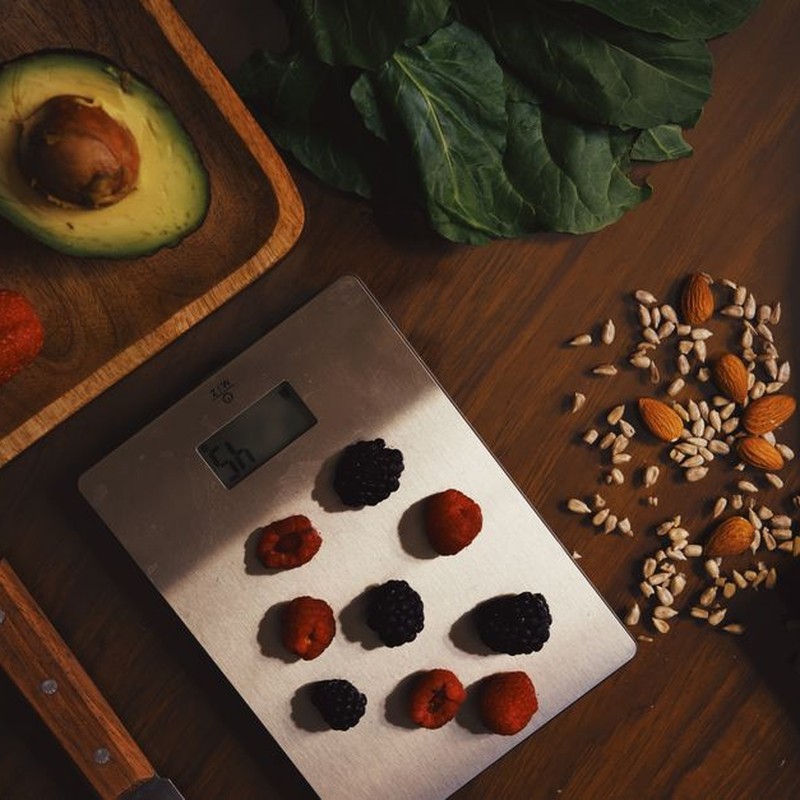
The goal was never to quit the medication. It’s to change what you eat and how you move while you’re on it, so most of the pounds you lose are fat. Start today with a $15 food scale. Guessing at protein portions is the most common reason people stall out on lean mass, and eyeballing a chicken breast rarely matches reality. Prices on Amazon bounce around week to week, so check current prices before you order. If you’re already on a GLP-1, share what worked for you in the comments. Other readers need to hear it from someone who has actually been there.
Protein Targets and Meal Timing When Appetite Is Low
Start with one number: 1.2 to 1.6 grams of protein per kilogram of body weight per day. For a 200-pound adult, that’s roughly 110 to 145 grams. If you’re currently 300 pounds but your doctor agrees a goal weight of 180 is realistic, run the math on the 180, not the 300. Otherwise you’ll be chasing a protein target that’s nearly impossible to hit on a shrunken appetite. In practice, most adults land somewhere between 100 and 150 grams daily.
That sounds manageable until week three, when a normal dinner suddenly feels like too much food. This is where structure beats willpower.
What 100 to 150 grams actually looks like
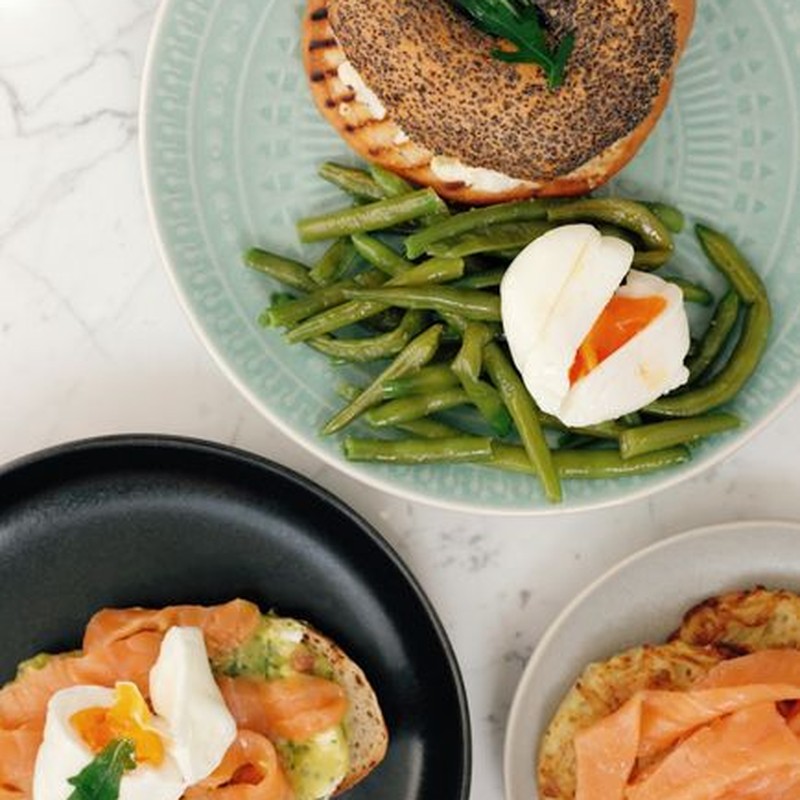
You don’t need to eat six chicken breasts. You need a handful of reliable, low-volume protein sources you can rotate. Roughly:
- 1 cup plain Greek yogurt: 20 to 23 grams
- 1 cup cottage cheese: about 24 grams
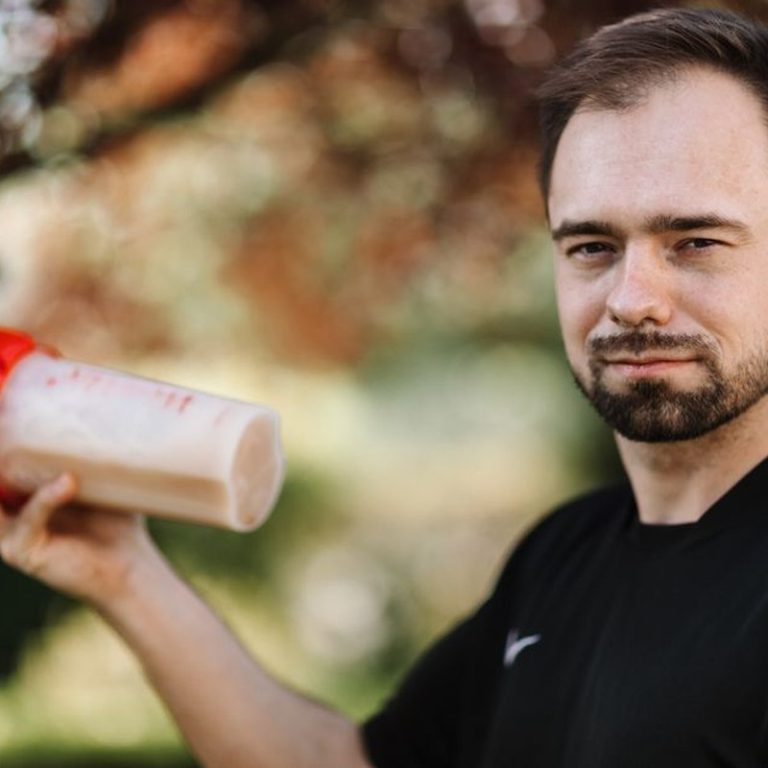
- 1 scoop whey or a ready-to-drink shake: 20 to 30 grams
- 3 ounces cooked chicken or turkey: about 25 grams
- 1 can tuna, drained: about 27 grams
- 2 large eggs: 12 grams
- 1 cup kefir: 9 to 11 grams
- 4 ounces firm tofu: about 10 grams
Stack three of those in a day and you’re already at 70 to 80 grams before dinner. Add a shake after your dumbbell session and you’re close to target without ever feeling stuffed.
Eat protein first, and eat it earlier
On a GLP-1, the order you eat in matters more than it normally would. You get maybe 20 to 30 minutes of comfortable eating before fullness kicks in. Lead with the protein and let the rice and vegetables follow. I’ve had clients flip from 60 grams a day to 110 grams a day just by switching the order on their plate.
Front-loading also helps. Nausea and appetite suppression tend to be strongest in the first day or two after your weekly injection, and many people find mornings easier than evenings. A 30-gram breakfast (Greek yogurt with a half scoop of whey stirred in, or eggs with turkey) buys you slack for a lighter dinner. If you train in the morning, put 25 to 40 grams within a couple of hours of finishing, whether that’s a shake or a real meal.
Spread intake across 3 to 5 small sittings, each with 25 to 40 grams. Four smaller plates usually beat two big ones, both for comfort and for muscle protein synthesis. A common split:
- Breakfast: yogurt plus whey, or eggs and turkey (30 to 35 g)
- Midday: cottage cheese with berries (25 g)
- Post-workout: shake with milk or kefir (25 to 30 g)
- Dinner: chicken, tuna, or tofu with rice (30 to 35 g)
When solid food is not an option
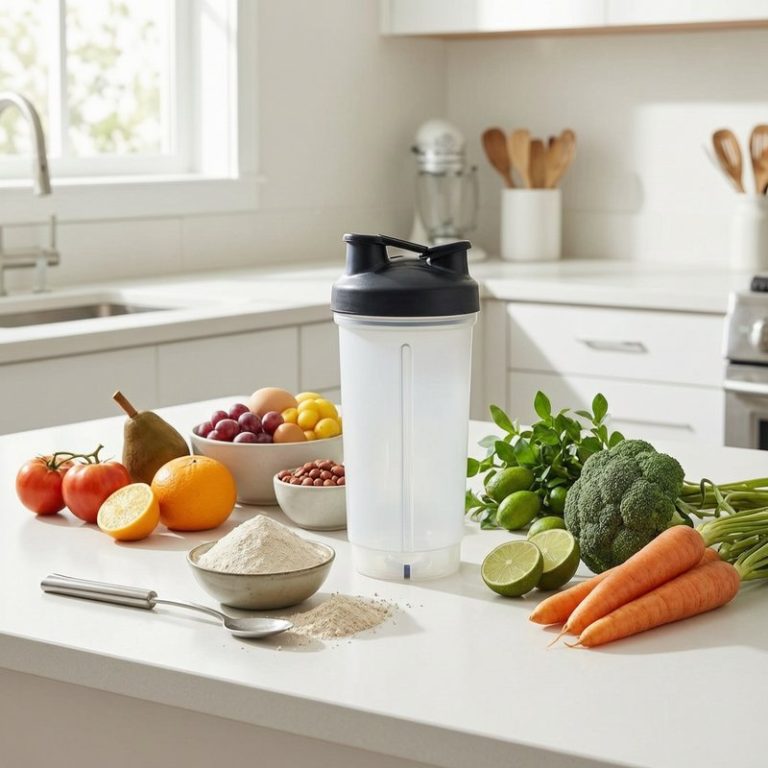
Some days chewing feels like a chore. Don’t force it. Sip a shake over 20 to 30 minutes instead of chugging it, and you’ll usually keep it down. A blend of kefir, protein powder, and frozen fruit works well because it’s cold, slightly tart, and thin enough to go down easy.
Temperature and smell matter more than you’d expect. Cold and bland beats hot, greasy, or spicy almost every time. Plain yogurt, cottage cheese, a chilled shake, crackers with tuna, and deli turkey all tend to sit better than a sizzling stir-fry. Ginger tea, peppermint, and a little salt on food help some people too. If a specific smell is your trigger, eat before you cook, or cook in batches on a good day and reheat what you need.
Carbs and fats are not the problem here
I see people slash fat to nearly zero to cut calories faster. That backfires. Some dietary fat helps you absorb fat-soluble vitamins, and very low-fat eating makes nausea worse for plenty of folks. Olive oil, avocado, nuts, and full-fat yogurt in small amounts are fine.
Carbs deserve the same defense. Rice, potatoes, oats, and fruit are what fuel your dumbbell work. Drop them completely and your training quality tanks, which is exactly how muscle disappears during weight loss. Build each meal as protein first, a fist-sized portion of carbs, and a thumb of fat, then adjust portions to what you can tolerate that day.
Water, electrolytes, and the fiber problem
You’re eating less food, which means you’re also drinking less water than you think. Aim for a glass every couple of hours. If you’re sweating in workouts, in a hot climate, or eating very little, add an electrolyte drink or a pinch of salt and a squeeze of lemon in your water. Headaches, dizziness, and leg cramps are often just low sodium and low fluid.
Constipation is one of the most common complaints on GLP-1 medications, and it makes everything else feel worse. Fiber from vegetables, beans, lentils, and whole grains helps, but only if fluid intake keeps up. Build it up gradually rather than dumping 40 grams of fiber into a system that’s been running on very little. A magnesium supplement is worth asking your doctor about if things stay stalled.
One last practical move: log your food for five to seven days with a free app. You don’t need to do it forever. You just need to know whether you’re actually hitting 100-plus grams of protein or guessing. Most people guess high by 30 to 40 grams. If you need protein powder, kefir, or a shaker bottle to make this work, check current prices on Amazon before you buy, since the per-serving cost swings a lot between brands. Then tell me in the comments which protein source has been easiest for you to keep down on a low-appetite day.
Dumbbell Strength Training That Tells Your Body to Keep Muscle
When you lose weight fast, your body decides what to keep and what to burn. Resistance training is the signal that says keep the muscle. It does not have to be fancy. Two or three full-body sessions a week with a pair of dumbbells is enough to change the outcome.
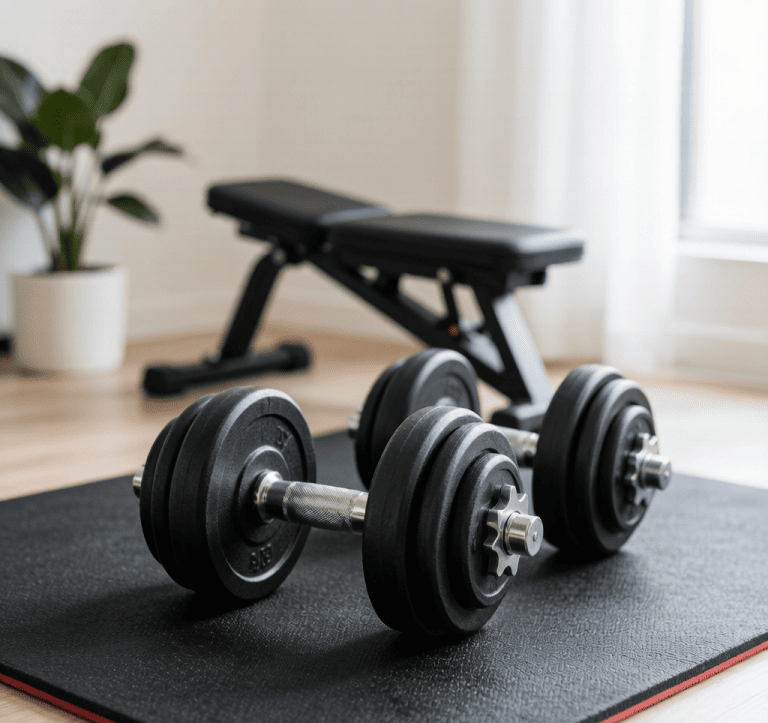
I run this setup in my living room with adjustable dumbbells, a folding chair, and a mat. No gym, no machines, no waiting for a squat rack. One pair of dumbbells covers every exercise below. If you have none, bodyweight versions still work.
Your weekly schedule
Pick two or three days you can repeat most weeks. Monday, Wednesday, Friday is the classic split. Tuesday, Thursday, Saturday works the same. Leave at least one day between sessions.
Chaotic week? Do two sessions and add the third when things calm down. Each one takes 30 to 45 minutes. Warm up for five minutes with marching in place, arm circles, and bodyweight squats, then work through the list below. Rest 60 to 90 seconds between sets. That is long enough to catch your breath and short enough that you stay warm.
The six-to-eight exercise template
One exercise per movement pattern covers your whole body without turning the living room into a commercial gym.
- Goblet squat – 2 to 3 sets of 8 to 15 reps. Hold one dumbbell at your chest. Sit down between your hips, not just your knees.
- Romanian deadlift – 2 to 3 sets of 8 to 15 reps. Hold dumbbells in front of your thighs. Push your hips back like you are closing a car door with your butt. Keep your back flat.
- Floor press – 2 to 3 sets of 8 to 15 reps. Lie on your back with knees bent and press the dumbbells up from your chest. Many beginners find this easier on the shoulders than a bench press.
- Bent-over row – 2 to 3 sets of 8 to 15 reps. Hinge forward with a flat back, let the dumbbells hang, then pull them toward your ribs. Squeeze your shoulder blades together.
- Overhead press – 2 to 3 sets of 8 to 15 reps. Stand tall or sit on a chair with back support. Press from shoulder height to overhead without arching your lower back.
- Reverse lunge – 2 to 3 sets of 8 to 15 reps per leg. Step back, lower your back knee toward the floor, then push through your front foot to stand. Hold dumbbells at your sides or go bodyweight.
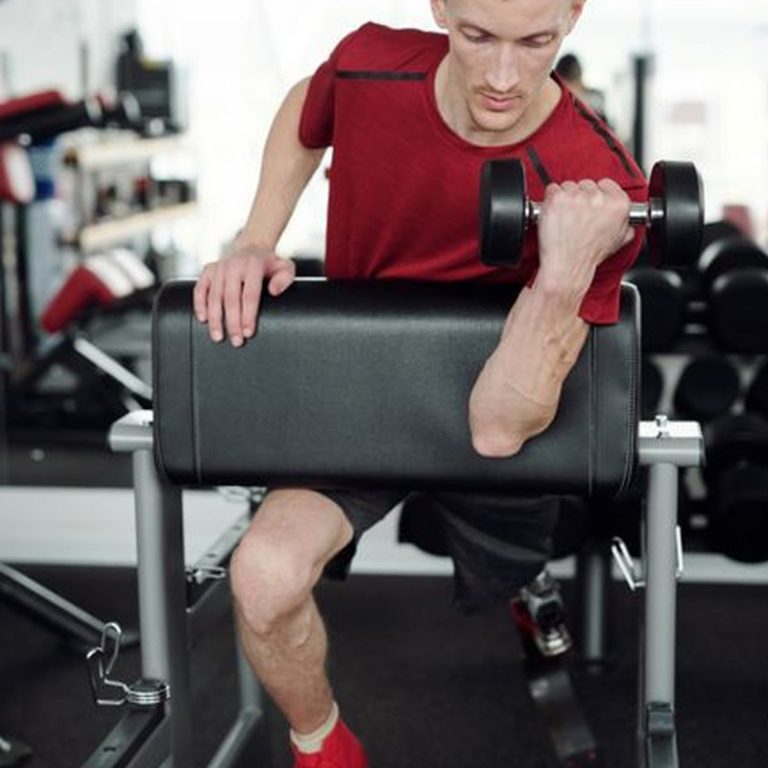
- Biceps curl – 2 to 3 sets of 8 to 15 reps. Keep elbows close to your ribs. No swinging.
- Plank – 2 to 3 sets, hold 20 to 45 seconds. Keep your hips level. If your lower back aches, drop to your knees.
If eight movements feel like too much at first, do six: goblet squat, Romanian deadlift, floor press, bent-over row, overhead press, and plank. Add the rest once the habit sticks.
Stop two or three reps short
Most beginners miss this part. End each set while you could still grind out 2 or 3 clean reps. It keeps your form tight and your joints happy, which matters more when your appetite is low and recovery may be slower than usual.
Write down your weights and reps. When 15 reps feel easy, add a little weight next time. No heavier dumbbells on hand? Add an extra set or slow the lowering phase to three seconds. That is progressive overload, and it is the signal that tells your body the muscle is still needed.
Walking, cardio, and recovery
Walk 20 to 40 minutes most days. It helps your heart, aids digestion, and burns extra calories without leaving you sprawled on the couch. I walk after dinner. It helps my blood sugar and keeps me from snacking out of boredom.
Keep hard cardio to one or two sessions a week. Spin class, running intervals, and HIIT circuits are all fine, but more is not better while you are eating less and trying to hold onto muscle. Too much hard cardio eats into recovery and can leave you hungrier. If your strength drops or you feel wiped out, cut the hard stuff and keep the walks.
Rest 48 hours before training the same muscle group again. That is why full-body sessions on non-consecutive days work so well. Muscle repairs between workouts, not during them. Sleep 7 to 9 hours. Short sleep raises stress hormones and makes holding onto muscle harder. If you fix only one recovery habit, fix that one.
Get protein with your meals, and try to land some within a couple of hours after training. A shake, Greek yogurt, eggs, or chicken all work. Your daily total matters more than perfect timing, but a post-workout meal is an easy win.
What progress actually looks like
Some weeks the scale barely moves. That is normal when you are recomposing. Watch your strength instead. Same goblet squat weight for more reps than last month? Pants looser while your arms stay firm? Those are signs you are keeping muscle.
Miss a week? Start again. Two sessions this week beats zero. Consistency over months changes your body, not one perfect workout.
If you are ready to build a home setup, check current prices on Amazon for adjustable dumbbells and a mat. And if you have trained with weights on a GLP-1, share your experience in the comments. Your setup might help someone else stay strong.
Tracking, Side Effects, and When to Call Your Doctor
A bathroom scale gives you one number and no explanation. It will not tell you whether that pound came off your waist or your biceps. That blind spot is how people lose 30 pounds on a GLP-1 and end up weaker than when they started.
You do not need a DEXA scan to sort this out. Four cheap measurements, taken the same way once a week, tell you almost everything.
Track four things, once a week
- Strength. Pick three or four lifts and log the weight and reps. Dumbbell rows, goblet squats, and a press are plenty. Use a notes app or a spiral notebook, because memory is not reliable.
- Waist circumference. Measure at the navel, first thing in the morning, before you eat or drink, tape snug but not digging in. Same spot and same posture every time.
- How your clothes fit. Sounds soft, but it is sensitive. A belt notch or a looser sleeve often shows up weeks before the scale cooperates, especially when you are adding a little muscle while losing fat.
- Body weight as a weekly average. Daily readings bounce around from sodium, hormones, and what you drank yesterday. Add seven mornings, divide by seven, and compare that to last week.
The pattern you want looks like this: rows getting stronger or holding steady while your waist shrinks and the weekly average drops. That is what keeping muscle during weight loss actually looks like. If the scale falls steadily but your working weights slide two weeks in a row, treat it as an early warning. Eat more protein and lift with more intent. Do not cut harder.
I keep a paper log with four columns and fill it in Sunday morning with coffee. It takes three minutes and has saved me from more bad decisions than any app I have tried.
The speed limit that matters most
Losing more than roughly 1% of your body weight per week tilts you toward losing lean mass. For a 200-pound person that is 2 pounds in a week. For a 160-pound person, about 1.6 pounds.
Any deficit costs you some muscle. Push it hard enough and your body starts pulling amino acids out of your biceps and thighs, because muscle is expensive tissue to maintain and your body is protecting energy, not your bench press. That is also why protein and resistance training carry so much weight here: they tell your body the muscle is still being used and worth keeping.
Some fast early loss is water and glycogen, and that is fine. But if the scale drops faster than 1% per week for two or three straight weeks, or your clothes are loose while you feel shaky on stairs, or you get dizzy standing up, that belongs in a conversation with your prescriber. It is not something to push through.
Side effects that quietly erode muscle
The hard part of a GLP-1 usually is not willpower. It is nausea, constipation, and no appetite, which makes a protein target that felt easy six months ago feel impossible. When you cannot eat, you lose more than fat. You lose the raw material for keeping muscle.
What tends to help the people I coach:
- Split protein across the day. Three or four servings of 30 to 40 grams go down easier than one big meal. Greek yogurt, cottage cheese, eggs, tuna, and a scoop of whey in milk all count.
- Drink protein when chewing feels awful. A shake with milk and a banana is a legitimate meal on a bad day.
- Slow down and stop around 80% full. Nausea usually comes from volume, not from the food itself.
- Hydrate with electrolytes. Constant fatigue and headaches are often dehydration plus low sodium, not a character flaw.
- Handle constipation early. Fluids, fiber, and a daily walk. Ask your pharmacist or doctor before adding any new supplement.
- Train away from your rough days. Many people feel worst 24 to 72 hours after their injection. Put heavier sessions outside that window when you can.
When to call your prescriber
- Weight dropping faster than 1% per week, consistently.
- Persistent vomiting, or you cannot keep fluids down.
- Dizziness, lightheadedness, or exhaustion that rest and food do not fix.
- New or worsening muscle cramps or weakness.
- Strength declining for two or more weeks while weight falls.
While you are on the phone, ask about lab work. A basic metabolic panel, complete blood count, A1c, plus vitamin D, B12, and ferritin are reasonable to check during major weight loss, since low levels of any of them can leave you dragging. Ask whether your protein and fluid needs should go up and whether your current dose still matches how you feel. One firm rule: never stop or change a GLP-1 prescription on your own. Dose decisions belong to you and your clinician together.
Four cheap tools that make this repeatable
None of this works as a one-time push. Habits stick when the tools are already sitting there, and you do not need much: a set of adjustable dumbbells for home sessions when the gym is not happening, a food scale so your protein estimate stops being a guess, a tub of protein powder for the low-appetite days, and a soft tape measure for that weekly waist check.
You can check current prices on Amazon for all four and spend less than a month of takeout. Look hard at the tape measure and the food scale in particular. Those are the two people skip, and the two that decide whether you actually notice what is happening to your body.
Then come back and tell us how it is going. What has kept your strength up while the scale drops? What side effect caught you off guard? Drop it in the comments. Someone reading this next week is where you were a few months ago, and your two sentences might be the thing that keeps them from losing muscle they worked hard to build.