Do You Really Need Protein Powder?
The Protein Powder Question: Separating Hype from Science
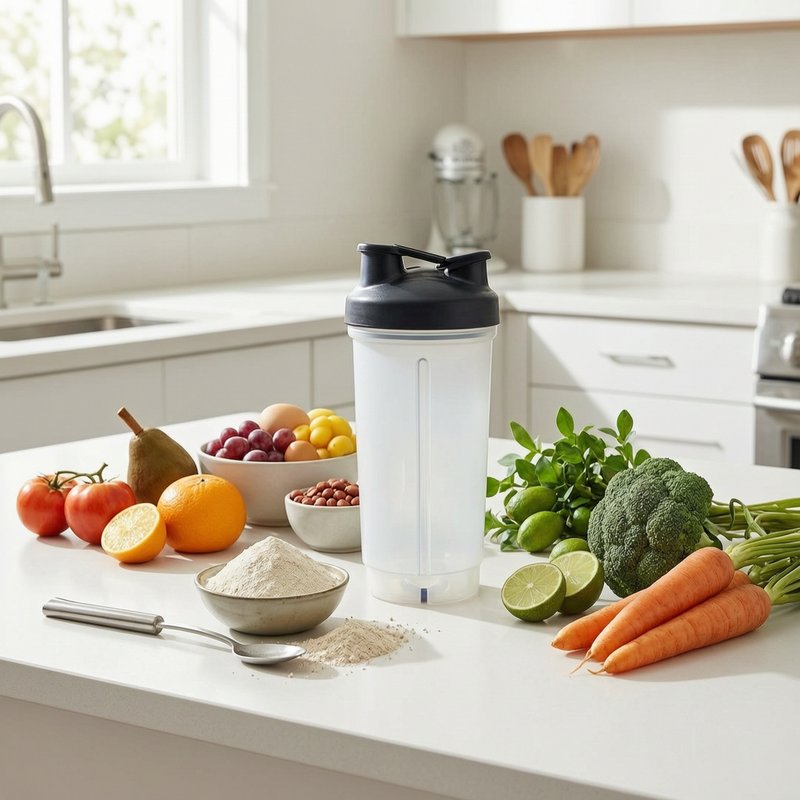
Walk into any gym or scroll through fitness social media, and you’d think protein powder is as essential as a barbell. Ads promise muscle gains, recovery, and even fat loss — all from a scoop of powder. But here’s the reality check: most people can get all the protein they need from whole food. Protein powder is a convenience tool, not a biological requirement.
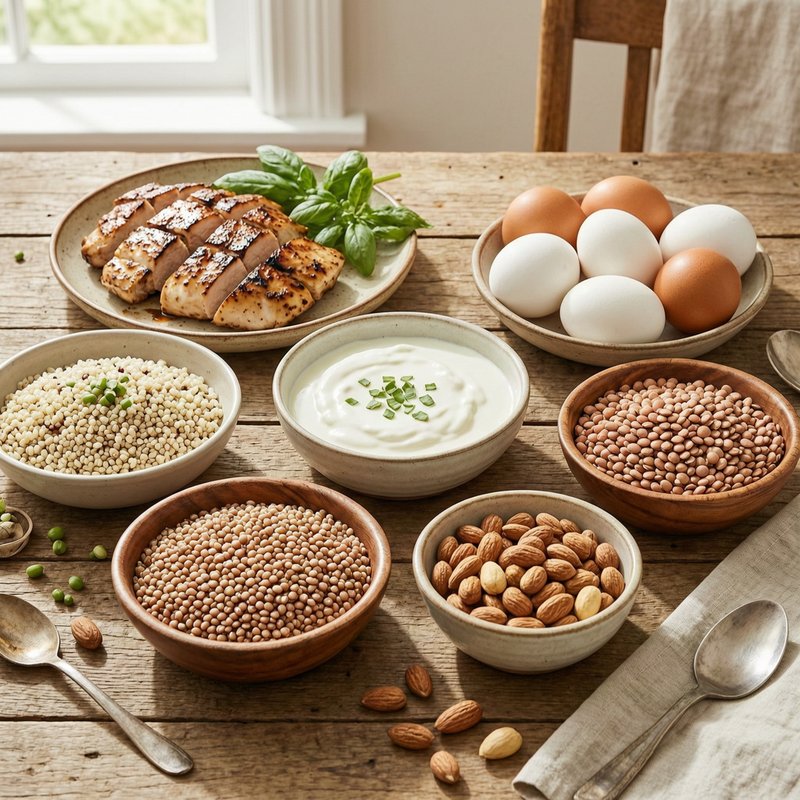
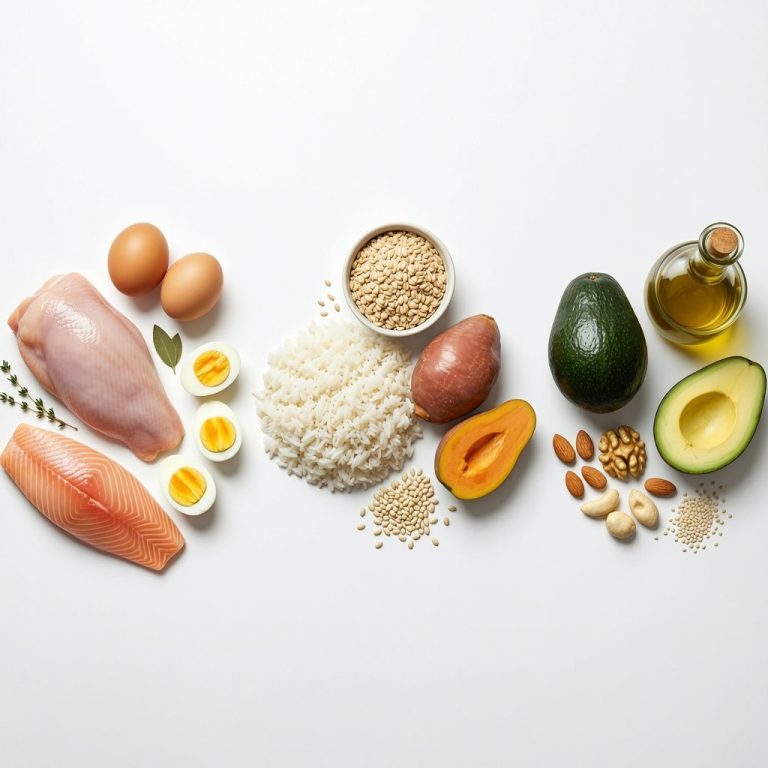
Research consistently shows that whole food protein sources — chicken, eggs, Greek yogurt, tofu, beans — are just as effective as supplements for building muscle. A 2018 meta-analysis in the Journal of the International Society of Sports Nutrition found no significant difference in muscle growth between people who got protein from whole foods versus those who used supplements, as long as total daily intake was adequate. The science is clear: your body doesn’t care if the protein comes from a shake or a steak.
So why does the supplement industry push protein powder as a must-have? Simple: it’s profitable. The global protein supplement market is worth billions, and marketing often blurs the line between genuine need and nice-to-have convenience. I’ve seen friends drop $60 on a tub of whey when they could have bought a week’s worth of chicken breasts for the same price.
Before we go further, let’s ground this in numbers. For a sedentary person, the recommended daily intake is 0.8 grams of protein per kilogram of body weight. But if you’re active and looking to build muscle, research supports 1.6 to 2.2 grams per kilogram. For a 180-pound (82 kg) person, that’s roughly 130 to 180 grams of protein daily — an amount you can absolutely hit with whole foods, but one where a shake might save you time.
This article isn’t here to bash supplements or blindly endorse them. Instead, we’ll look at the evidence so you can decide for yourself. Here’s what we’ll cover:
- When protein powder actually makes sense — and when it’s just unnecessary expense.
- How much protein you really need based on your goals and body weight.
- Practical tips for using protein powder without over-relying on it.
By the end, you’ll know whether that tub of powder deserves a spot in your kitchen or if you’re better off spending your money on real food. And if you do decide to buy, I’ll point you toward the best deals so you’re not overpaying.
Let’s start with the biggest question: Do you even need the stuff?
Who Actually Benefits from Protein Powder?
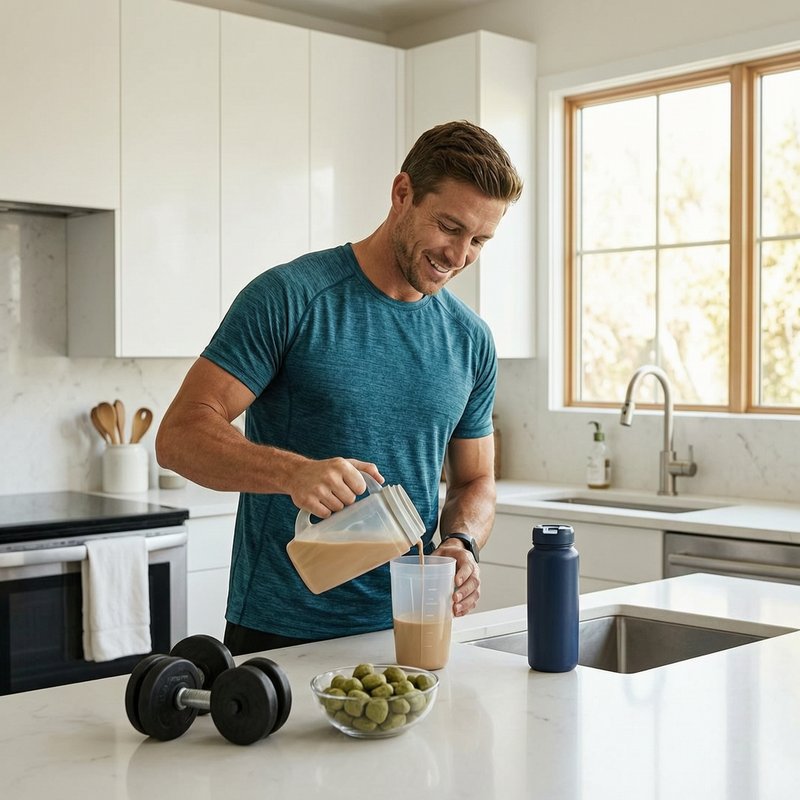
Not everyone needs a tub of powder in their kitchen. For the average person eating three meals a day, whole foods like chicken, eggs, yogurt, and beans easily cover protein needs. But there are specific scenarios where protein powder offers a real advantage — not a marketing gimmick, but a practical tool.
High-Demand Athletes: When Whole Food Isn’t Enough
If you’re training hard to build muscle, your protein target likely sits between 1.6 and 2.2 grams per kilogram of body weight. For a 180-pound (82 kg) lifter, that’s 131 to 180 grams of protein daily. Eating that much through whole food alone means consuming roughly 1.5 pounds of chicken breast or 18 eggs every day. That’s a lot of chewing.
I’ve coached dozens of athletes who hit a wall around 140 grams from food — they’re full, bored, and struggling to eat more. A single scoop of whey or plant protein (25-30 grams) in a shake or oatmeal fills the gap without forcing down another chicken breast. In this scenario, powder isn’t a luxury. It’s the difference between hitting your target and falling short.
Busy Schedules, Poor Appetite, or Digestive Issues
Life gets in the way. You skip breakfast, grab coffee, and by 2 PM you’re starving and reaching for whatever’s available. A protein shake takes two minutes to prepare and drink. That’s faster than cooking eggs or grilling chicken.
For people with low appetite — common during cutting phases or after illness — liquid protein is far easier to stomach than solid food. I’ve worked with clients recovering from surgery who couldn’t tolerate meat but could sip a shake. Similarly, those with digestive issues like IBS often find that a simple isolate or plant-based powder causes less bloating than a heavy meal.
Post-Workout Timing: Convenience Over Magic
You’ve heard about the ”anabolic window” — that 30-minute post-workout period where your muscles supposedly need protein immediately. The anabolic window is now understood to be 4-6 hours post-workout, not just 30 minutes. Total daily protein intake matters more than precise timing. However, a shake right after training is still convenient. You’re already at the gym, you mix it in your bag, and you drink it on the way home. That beats waiting an hour to cook.
So yes, timing helps, but don’t stress if you miss the window. The real benefit of a post-workout shake is that it ensures you get protein in when you’re tired and hungry.
Practical Takeaway
If you’re eating enough protein from whole foods and hitting your daily target, you don’t need powder. But if you’re an athlete with high demands, have a packed schedule, struggle with appetite, or want a quick post-gym option, a quality powder makes sense. Start with one scoop per day and adjust based on how you feel.
Check current prices on Amazon for the top-rated whey and plant-based options — and share your experience in the comments below. Have you found protein powder helpful, or do you prefer whole foods?
When Whole Foods Beat Supplements Every Time
I’ve been there—standing in my kitchen after a workout, blender in one hand, scoop of vanilla protein powder in the other. It’s easy. But over the years, I’ve noticed something: when I rely too much on shakes, my energy dips, my digestion feels off, and I’m hungry an hour later. Whole foods don’t do that to me.
Protein powder is a processed food, which means it lacks the full nutrient package of whole foods. That doesn’t make it bad, but it does mean you’re missing out on everything else that comes packed in a piece of chicken, a handful of almonds, or a cup of Greek yogurt.
What You Lose When You Skip Real Food
Take a 4-ounce chicken breast. You get about 30 grams of protein, sure. But you also get B vitamins for energy metabolism, iron for oxygen transport, and zinc for immune function and muscle repair. Protein powder gives you protein—and maybe some added vitamins if the label says so. But it’s not the same.
Whole foods deliver a complex matrix of nutrients that work together. The fiber in beans and lentils slows digestion and keeps your blood sugar stable. The phytochemicals in vegetables reduce inflammation. You don’t get any of that from a scoop of isolate.
I remember a client who was stuck at 12% body fat and couldn’t lean out further. He was drinking three shakes a day. When we swapped two of those for whole-food meals—same calories, same protein—he started dropping fat within two weeks. The difference? Satiety and nutrient density.
Protein Powder Won’t Keep You Full
Liquid calories are less satiating than solid food. Studies show that liquid calories are less satiating than solid food (Journal of Nutrition, 2019). Chewing triggers hormonal signals that tell your brain you’ve eaten. Protein powder bypasses that. If you’re trying to lose fat, that’s a problem. You end up hungry, reach for snacks, and blow your calorie deficit.
I’ve tested this on myself. A 40-gram protein shake with milk keeps me full for about two hours. A bowl of Greek yogurt with berries, nuts, and a scoop of collagen? Four hours, easy. Same protein, same calories, completely different experience.
The Risk of Supplement Over-Reliance
When protein powder becomes your primary protein source, you crowd out nutrient-dense meals. Your diet narrows. You miss out on the variety that supports gut health, hormonal balance, and long-term adherence. I’ve seen people who drink shakes for breakfast and lunch, then wonder why they feel sluggish and crave sugar by 3 PM.
It’s not about never using powder. It’s about keeping it in its place—as a convenience tool, not a crutch.
Practical Advice: Make Whole Foods the Foundation
- Aim to get at least 80% of your daily protein from whole foods. That means meat, fish, eggs, dairy, legumes, and soy.
- Use protein powder only when you genuinely can’t eat—post-workout on the go, or to bump up a meal that’s low in protein.
- If you’re meal-prepping, cook extra chicken, hard-boil eggs, and portion out Greek yogurt. That way you have real food ready when you’re busy.
I keep a tub of unflavored whey in my pantry for emergencies. But most days, my protein comes from a plate, not a shaker. Try it for a week and see how you feel. Your stomach—and your progress—will thank you.
Check current prices on Amazon for quality protein powders if you decide you need one, and share your experience in the comments—do you rely on shakes or stick with whole foods?
How to Choose a Protein Powder (If You Decide to Buy One)
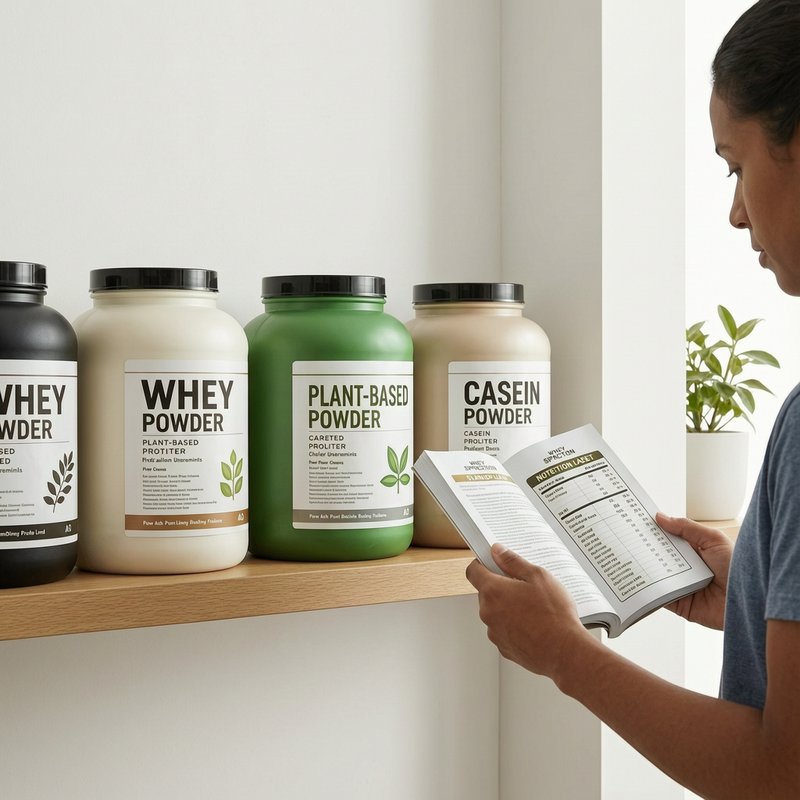
If you’ve decided to give protein powder a try, you’re stepping into a crowded aisle. A quick scroll on Amazon shows dozens of options: whey, casein, pea, soy, blends, isolates, concentrates, and a parade of buzzwords like ”grass-fed” and ”hormone-free.” It’s easy to get overwhelmed. Let’s cut through the noise with a few simple rules.
Start with Whey — It’s the Gold Standard for a Reason
Whey protein is the most researched and cost-effective option out there. It’s a complete protein, meaning it contains all nine essential amino acids your body needs. It’s also rapidly digested, which makes it ideal post-workout. If you tolerate dairy well, whey concentrate is your best bang for the buck. A typical serving costs around $0.80–$1.20 and delivers 20–25 grams of protein.
If you’re lactose sensitive, look for whey isolate. The extra filtration removes most of the lactose and fat, leaving a purer protein. You’ll pay a bit more — roughly $1.20–$1.60 per serving — but it’s worth it if you want to avoid bloating or stomach discomfort.
Plant-Based Options: Pea and Rice Blends Work, But Check the Label
For vegans or those with dairy allergies, plant-based blends are a solid alternative. The best ones combine pea and rice protein. Pea is rich in lysine but low in methionine; rice is the opposite. Together, they create a complete amino acid profile that rivals whey.
But here’s the catch: not all plant powders are created equal. Some brands skimp on protein per serving. I’ve seen products that claim to be ”protein powders” but deliver only 12 grams per scoop — and charge a premium for it. Always check the nutrition label. Aim for at least 20 grams of protein per serving. If a brand can’t deliver that, move on.
Ignore the Marketing Hype
You’ll see labels screaming ”grass-fed,” ”hormone-free,” and ”non-GMO.” These sound nice, but there’s no evidence they improve muscle-building outcomes. A 2018 study in the Journal of the International Society of Sports Nutrition found no significant difference in muscle protein synthesis between grass-fed and conventional whey. The same goes for ”hormone-free” — milk from cows not treated with growth hormones doesn’t produce a superior protein.
Don’t pay extra for these labels. Spend that money on getting more protein overall, not on marketing fluff.
Check Current Prices and Reviews Before You Buy
Before you click ”add to cart,” do a quick check on Amazon. Prices fluctuate wildly. I’ve seen the same tub of whey isolate jump from $45 to $65 in a week. Sort by price per serving, not total price. To calculate price per serving, divide the total price by the number of servings listed on the label. Also, read recent reviews — especially the negative ones. Look for complaints about taste, mixability, or changes in formula. A product that was great six months ago might have changed its recipe.
Once you’ve picked a powder, give it a try for a week. Notice how you feel. If it mixes well, tastes decent, and doesn’t upset your stomach, you’ve found a winner.
Check current prices on Amazon for the top-rated whey and plant-based options before you buy.
Have you tried a protein powder that worked well for you? Share your experience in the comments below — your recommendation could help someone else make a smarter choice.
Medical & Editorial Review: This article was reviewed by Liam Smith, founder of Apexfito, for accuracy and safety. Content is for educational purposes and is not a substitute for professional medical advice. Consult your physician before starting any exercise or nutrition program.



One Comment