Beginner Abs Workout: 5 Core Exercises You Can Do at Home
Beginner Abs Workout: 5 Core Exercises You Can Do at Home
I’ve been through a lot of fitness data — over 169 ab exercises, to be exact. And here’s what I’ve learned: most beginners overcomplicate their ab training. They chase fancy movements and ignore the basics that actually build a strong core.
This beginner abs workout at home uses five exercises that target your entire core without a single piece of gym equipment. No crunches on an exercise ball, no ab roller, no cables. Just you, a mat, and 10 minutes.
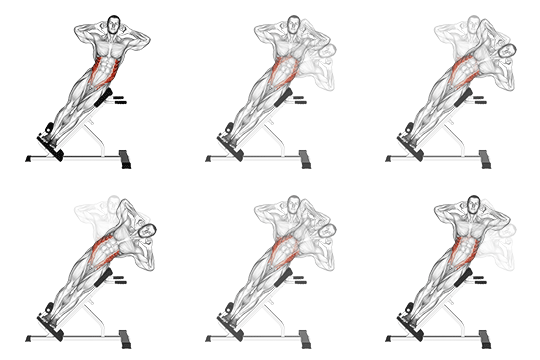
Why Abs Are Different From Other Muscles
Your abs are mostly slow-twitch muscle fibers. That means they’re built for endurance, not explosive strength. You don’t train your chest with 50-rep sets. But your abs? They respond well to higher reps, shorter rest, and consistent frequency.
Your core also does two jobs: it moves your spine (flexion, rotation, side bending) and it prevents your spine from moving (anti-flexion, anti-rotation, anti-lateral flexion). A solid beginner routine covers both.
1. Dead Bug — The Beginner-Friendly Core Stabilizer
Most beginners can’t do a proper plank or crunch because their lower back arches or their hip flexors take over. The dead bug fixes that by teaching you to brace your core while moving your arms and legs.
How to do it:
- Lie on your back with your arms extended straight up toward the ceiling. Lift your legs so your knees are bent at 90 degrees, shins parallel to the floor.
- Press your lower back into the mat. Keep it there for the entire exercise.
- Slowly extend your right arm overhead and your left leg straight out, keeping both hovering just above the floor.
- Return to the starting position and repeat with your left arm and right leg.
- That’s one rep. Alternate sides.
Why it works: The dead bug forces your deep core muscles — the transverse abdominis — to engage to keep your spine stable. If your back arches off the floor, you’re moving too fast or not bracing hard enough.
2. Heel Touchers — The Oblique Builder
Heel touchers hit your obliques — the muscles on the sides of your waist. They also give you a good stretch through your lats.
How to do it:
- Lie on your back, knees bent, feet flat on the floor.
- Arms extended down by your sides, palms facing in.
- Curl your head and shoulders up off the floor.
- Reach your right hand toward your right heel, then your left hand toward your left heel.
- Alternate sides in a controlled motion.
Don’t yank your neck. Keep your chin tucked like you’re holding an egg under your chin. Reach just far enough to feel your obliques contract.
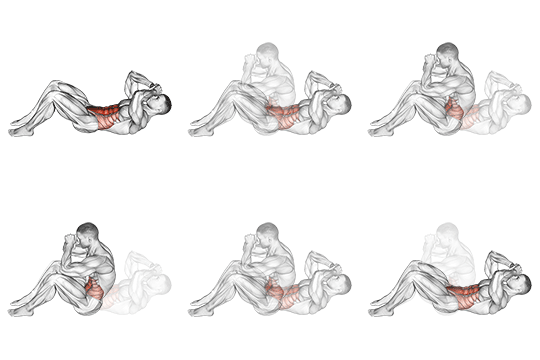
3. Bicycle Crunch (Air Bike) — The Full-Core Mover
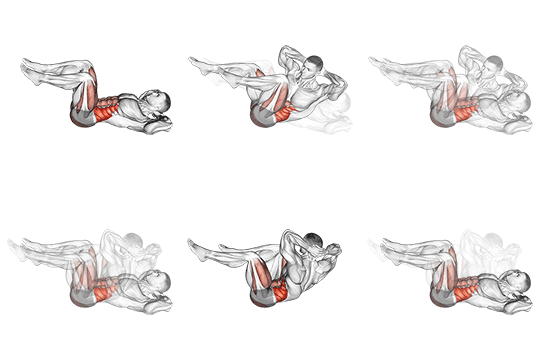
Bicycle crunches are a classic for a reason. They combine spinal flexion with rotation, hitting your rectus abdominis (the six-pack muscle) and your obliques at the same time.
How to do it:
- Lie on your back, hands behind your head, legs lifted with knees bent at 90 degrees.
- Bring your right elbow toward your left knee while extending your right leg straight.
- Switch: bring your left elbow toward your right knee while extending your left leg.
- Continue alternating in a pedaling motion.
Don’t pull on your neck. Your hands are there for support, not to yank your head up. Lead with your shoulders, not your chin.
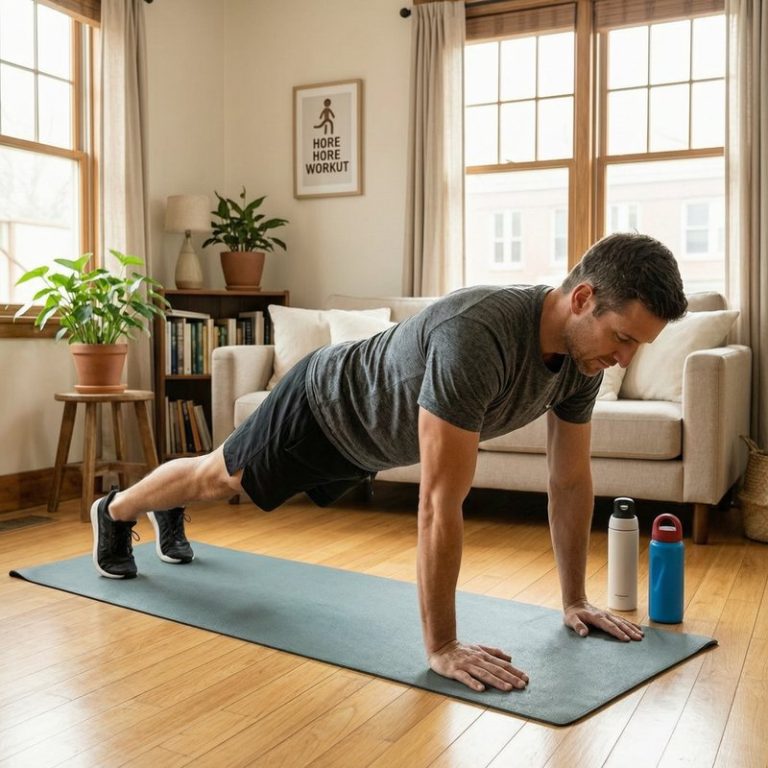
4. Plank — The Anti-Extension King
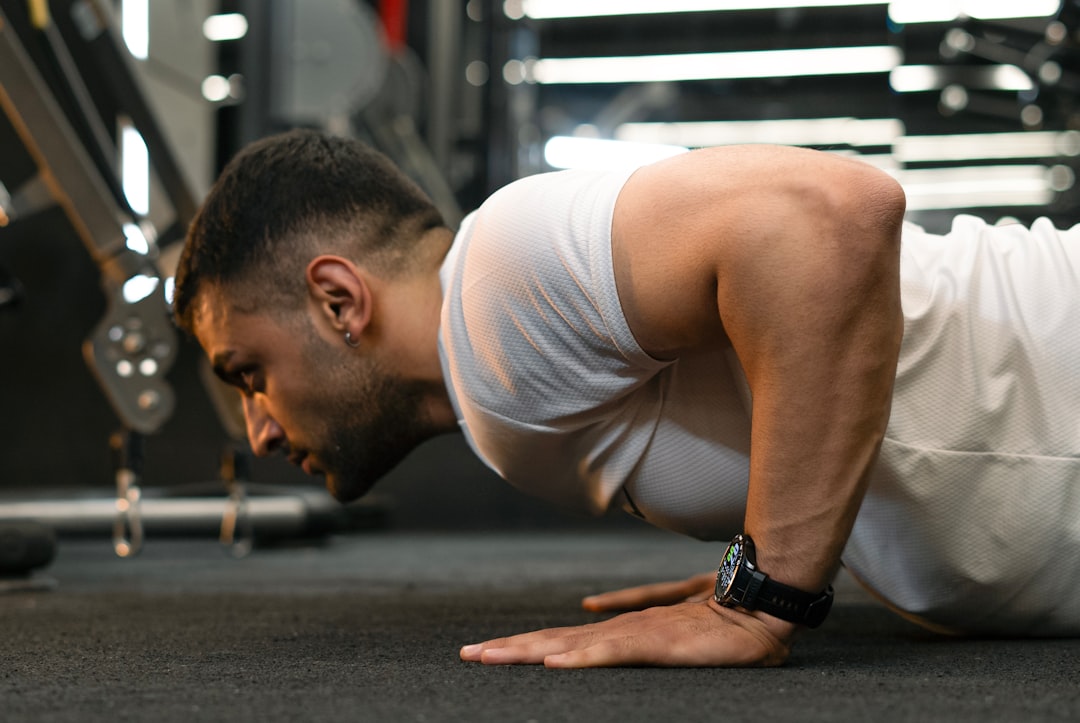
The plank trains your core to resist extension — stopping your lower back from sagging. This is the same job your core does during squats, deadlifts, and standing overhead presses.
How to do it:
- Start on your forearms and toes. Elbows directly under your shoulders.
- Your body should form a straight line from your head to your heels.
- Squeeze your glutes and brace your abs like someone’s about to punch you in the stomach.
- Hold for time. Aim for 20-30 seconds as a beginner.
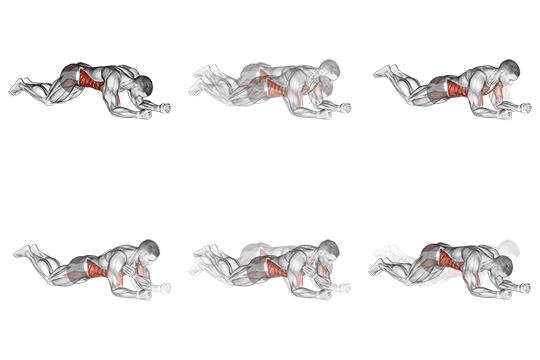
If your hips sag, drop to your knees and hold a kneeling plank. Quality over duration every time. A 20-second perfect plank is better than a 60-second sagging one.
When you’re ready to progress, add shoulder taps (that’s where reference comes in) — lift one hand and tap your opposite shoulder while keeping your hips square.
5. Side Bend — The Lateral Flexion Finisher
Side bends work your obliques through lateral flexion — bending sideways against resistance. Standing side bends use your body weight or a dumbbell, but the floor version works great for beginners.
How to do it:
- Lie on your left side, legs stacked, forearm on the floor for support.
- Place your right hand behind your head.
- Curl your torso up toward your right hip, lifting your shoulder off the floor.
- Lower back down slowly.
- Complete all reps on one side, then switch.
Keep the movement small and controlled. You don’t need to come up far — just a few inches of range of motion is enough to hit the obliques.
Putting It Together: 10-Minute Routine
Perform this circuit once a day, 4-5 days per week. Rest 15 seconds between exercises.
| Exercise | Work | Rest | Sets |
|---|---|---|---|
| Dead Bug | 30 sec | 15 sec | 2 |
| Heel Touchers | 30 sec | 15 sec | 2 |
| Bicycle Crunch | 30 sec | 15 sec | 2 |
| Plank | 20-30 sec hold | 15 sec | 2 |
| Side Bend (each side) | 30 sec | 15 sec | 2 |
Total time: about 10 minutes including transitions. That’s it. You don’t need a longer ab workout.
Common Beginner Mistakes
Using your hip flexors instead of your abs. If your lower back arches during crunches or leg raises, you’re using your hip flexors. Flatten your back against the mat and brace.
Holding your breath. Breathe normally throughout each rep. Holding your breath builds pressure but cuts off oxygen, so you gas out faster.
Going too fast. Speed kills tension. Slow down each rep to 2-3 seconds. You’ll feel your abs working twice as hard.
Neglecting the lower back. Your core includes your lower back muscles. If you only do crunches, you create an imbalance. The plank and dead bug balance things out.
Training abs every day, for 30 minutes. Your abs are muscles. They need recovery. 10 minutes, 4-5 days a week is plenty for a beginner.
How to Progress
Once you can complete the routine above without struggling, here’s how to level up:
- Increase hold time — planks from 30 seconds to 45, then 60
- Add reps — go from 30 seconds to 45 seconds per exercise
- Remove rest — cut rest from 15 seconds to 10, then 5
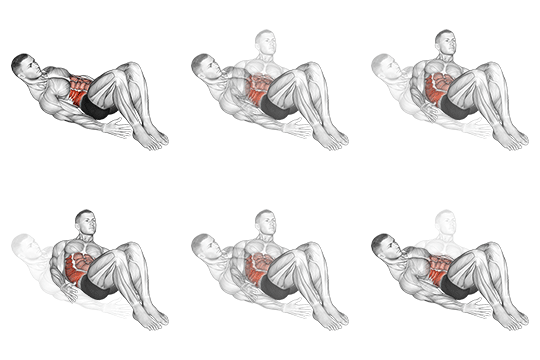
- Add a weighted exercise — hold a dumbbell for side bends or try the 3/4 sit-up instead of heel touchers
- Try harder variations — kneeling plank tap shoulder is a great next step once the standard plank feels easy
Don’t rush progression. Stick with a level until you can complete all sets with perfect form. Then bump it up.
Conclusion
You don’t need an ab wheel, a Roman chair, or a gym membership to build a strong core. This beginner abs workout at home gives you everything you need in 10 minutes. Dead bugs build stability. Heel touchers and bicycle crunches build mobility and strength through rotation. The plank builds endurance. Side bends round it out.
Do it consistently, focus on form, and progress slowly. Your abs will get stronger — and they’ll show up in every other exercise you do, from squats to push-ups to just carrying groceries up the stairs.
Medical & Editorial Review: This article was reviewed by Liam Smith, founder of Apexfito, for accuracy and safety. Content is for educational purposes and is not a substitute for professional medical advice. Consult your physician before starting any exercise or nutrition program.