How to Stay Fit While Traveling: Hotel Room Workout Routine
Full disclosure: Some links in this article are affiliate links. We may earn a small commission at no extra cost to you if you make a purchase through them. Our recommendations are based on what real users report, not on commission size.
Why Hotel Room Workouts Keep You Consistent
The biggest threat to your fitness on the road isn’t a missed workout. It’s the all-or-nothing mindset that turns a busy week into a month of zero training. Hotel room workouts close that gap. They won’t look impressive, and that’s fine.
A quick bodyweight session on your hotel floor preserves strength and tells your body you’re still in training mode. You won’t set a squat PR with carpet under your feet, but that’s not the point. The point is keeping the streak alive so you come home to your normal gym without restarting from zero.
Short sessions also undo the physical damage of travel. Hours of sitting tighten your hips, compress your spine, and leave you stiff. Fifteen to twenty minutes of movement gets blood flowing, eases jet lag, lifts your mood, and keeps your brain sharp for a full day of meetings or sightseeing.
Set a realistic standard before you board the plane. In my experience coaching frequent flyers, most travelers hold their fitness with two to four short sessions per week. That means you don’t need to replicate your gym split or grind for an hour. If you can get on the floor and move for 20 minutes, you’ve done enough.
Keep the schedule loose. On a five-day trip, aim for two sessions: one after you land, one before you fly home. On a longer trip, add one or two more on days when you have 20 minutes between meetings or sightseeing. That pattern keeps you consistent without turning a vacation into boot camp.
Here’s a simple template that covers everything:
- Bodyweight squats for legs and glutes
- Pushups or knee pushups for chest and arms
- Planks for core
- Glute bridges to undo sitting stiffness
If it feels easy, slow down and control each rep. If it feels hard, cut reps and extend rest. Progression on the road doesn’t need to be clever.
I’ve done squat pulses in a cramped Barcelona hotel room after an overnight flight. I’ve done pushups on motel carpet while my coffee brewed. Neither session was memorable, but both kept my training streak alive, and that made my next gym workout far easier.
So don’t pack gear. Clear a space at the foot of the bed, set a 15- or 20-minute timer, and let the room do the work. That routine protects your progress now and keeps your fitness ready for the day you get home.
Your Hotel Room Setup: Space, Safety, and What to Wear

Choose the stretch of floor between the door and the desk, or the open area at the foot of the bed. Move the luggage cart, slide chairs against the wall, and make sure no lamp, bag, or minibar is within arm’s reach. That cleared spot is your entire gym. You don’t need more than a few square feet to get a complete session done.
Walk through the empty space once with your arms extended. If you can turn in a slow circle without touching anything, you have enough room for lunges, push-ups, and the rest of the moves in this plan. I’ve run full circuits in hotel rooms that seemed too small, and that arm-check always told me where to shift the furniture.
Carpet, Hardwood, and the Towel Trick
Most hotel rooms have one of two options: carpet that cushions but shifts under pressure, or hard flooring that gets slick with sweat. A bath towel solves both. Fold it in half and place it under your hands for mountain climbers or under your knees for kneeling moves. On hard floors, it becomes a non-slip base for lunges. On thin carpet, it adds a layer of padding when folded into a thick square.
Test the towel before you rely on it. Slide it along the floor once with your hand. If it moves too easily, fold it again or mop up the damp spot. In a pinch, a t-shirt works the same way.
What to Wear (and Not to Pack)
Wear whatever you can move in — shorts, leggings, sweatpants, or the t-shirt you slept in. I’ve done this routine in loose cotton boxers and a tank top, and it worked fine. The only real requirement is that your clothes let you squat and reach overhead without bunching up or cutting off circulation. Save heavy zippers and thick buttons for the flight home.
If you’d rather skip laundry, wear the same outfit you plan to sleep in afterward. That keeps packing light and leaves you one less thing to think about.
Water and Small Comforts
Keep your water bottle on the nightstand, not on the floor where it can roll underfoot. A spare pillow from the closet can sit under your lower back or hips for certain moves. That’s the full setup. No dumbbells, no bands, no mat. Just a few feet of floor, a towel, and the willingness to sweat.
If you’re on an upper floor, be considerate of the room below. Swap jumping jacks for step-back lunges or do low-impact versions of the plyometric moves. You’ll still feel it, and you won’t have the front desk on the phone.
Once the space is arranged, the same clearing process takes under two minutes before each workout. That’s enough to keep a three- or four-day routine on track during any trip, without making the hotel room feel like a construction site.
The 20-Minute No-Equipment Hotel Workout
I’ve run this circuit in a motel room with barely enough floor space for a towel, in an Airbnb with creaky wood floors, and in my living room when I didn’t feel like driving to the gym. It takes about 20 minutes from first warm-up rep to last stretch. No equipment required, and it works whether you’re a frequent traveler or just want a quick bodyweight session.
Before you start, clear a small area. Move the desk chair against the wall and push the suitcase under the bed. You’ll need about six feet of open floor and a towel for the floor work.
Warm-Up (3 minutes)
Do these three moves back to back:
- March in place for 60 seconds. Swing your arms and lift your knees as high as comfortable.
- Arm circles for 30 seconds forward, then 30 seconds backward. Start with small circles and slowly widen them.
- Slow bodyweight squats for 10 reps. Take 3 seconds to lower down, then press up through your heels.
The Circuit
Set a timer. Do these five moves in order, then rest for 60 seconds. Start with 3 rounds. If you finish round 3 with solid form and still have gas, go for a fourth.
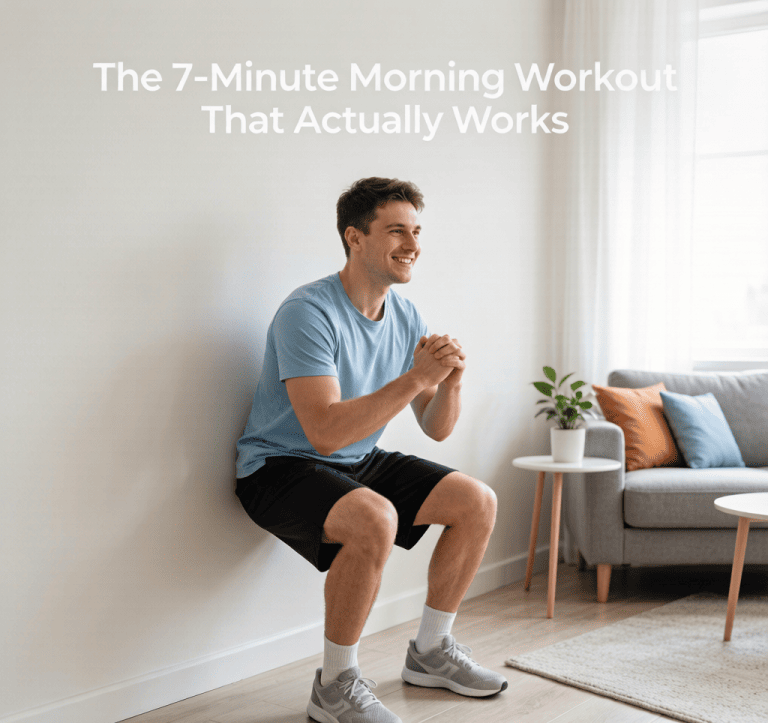
- Squats: 12–15 reps. Feet shoulder-width apart, hips back, chest up. Push through your whole foot to stand.
- Push-ups: 8–10 reps. Drop to your knees if you need to. Even easier: put your hands on the wall and step your feet back.
- Alternating reverse lunges: 10 per side. Step back with your right leg and lower both knees toward the floor, then drive through your left heel to stand. Repeat on the left. Use the back of a desk chair for balance if the floor is slick.
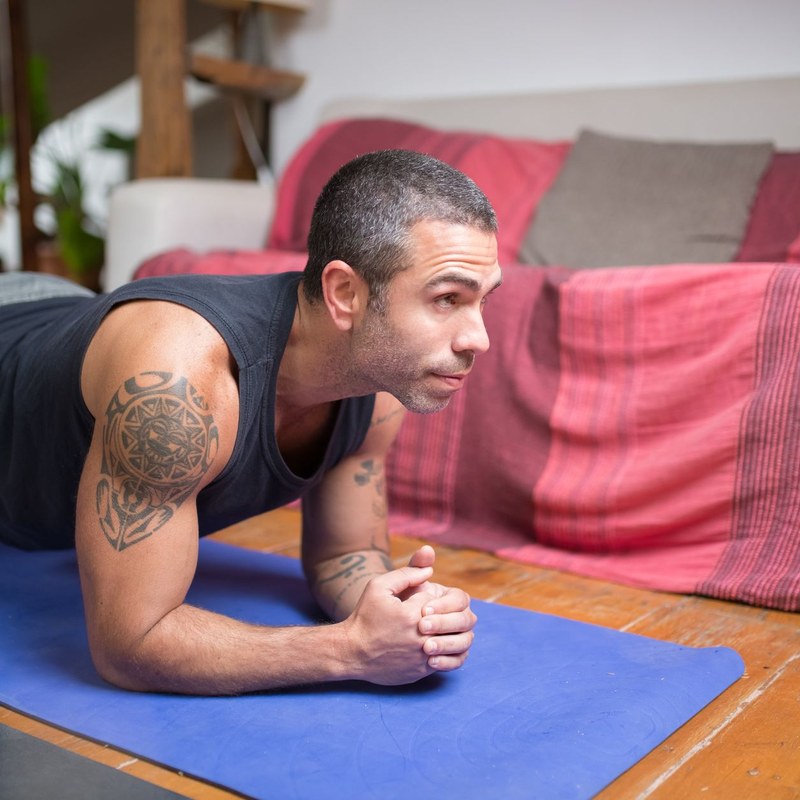
- Plank: 20-second hold. Brace your core and keep your body in one straight line. Don’t let your hips sag.
- Jog in place: 30 seconds. Keep it light and relaxed. This is active recovery, not a sprint.
Rest a full 60 seconds before the next round. On the last round, that rest is what lets you finish strong.
Progressions and Modifications
New to training? Use 12 squats, 8 push-ups, and 10 lunges per side. Keep the plank at 20 seconds. When that feels manageable, push reps to the higher end and hold the plank for 25–30 seconds. Add the fourth round once you can finish three rounds without pausing mid-exercise.
If you’re already comfortable with bodyweight work, make the moves harder instead of simply adding time. Do push-ups with your feet on the edge of the bed, slow down the lowering phase of your squats, or add a knee drive to each lunge when you come up.
Hotel rooms are often tight. If there’s no open floor beside the bed, move the desk chair out of the way and do wall push-ups. For lunges, grip the back of a chair or the edge of the nightstand for balance. Fold a towel under your knees or hands if the carpet feels rough.
Cooldown (3 minutes)
When the last round is done, cool down on the floor or bed. This helps your legs feel less stiff when you head out the door.
- Hamstring stretch: Sit with one leg extended straight and reach gently toward that foot for 20 seconds. Switch legs.
- Chest opener: Stand in a doorway, place one forearm on the doorframe, and turn your body away until you feel a stretch across your chest. Hold 20 seconds per side.
- Slow breathing: Sit on the floor or edge of the bed, close your eyes, and take 10 slow breaths. In for 4 counts, out for 6.
One round of this circuit takes roughly 6 minutes, so three rounds plus warm-up and cooldown lands around 20 minutes. On a typical trip, I do this three or four times a week. That leaves built-in rest days. If you want to move every day, swap one circuit day for a 30-minute walk. The goal is to keep your routine going, not to run yourself into the ground.
A light resistance band can make this workout harder down the road, but you don’t need one to start. Check current prices on Amazon if you’re curious. When you try this in your own hotel room, come back and share your experience in the comments. I’d love to know which move gives you the most trouble on day one.
How to Fit In Strength and Cardio on the Road
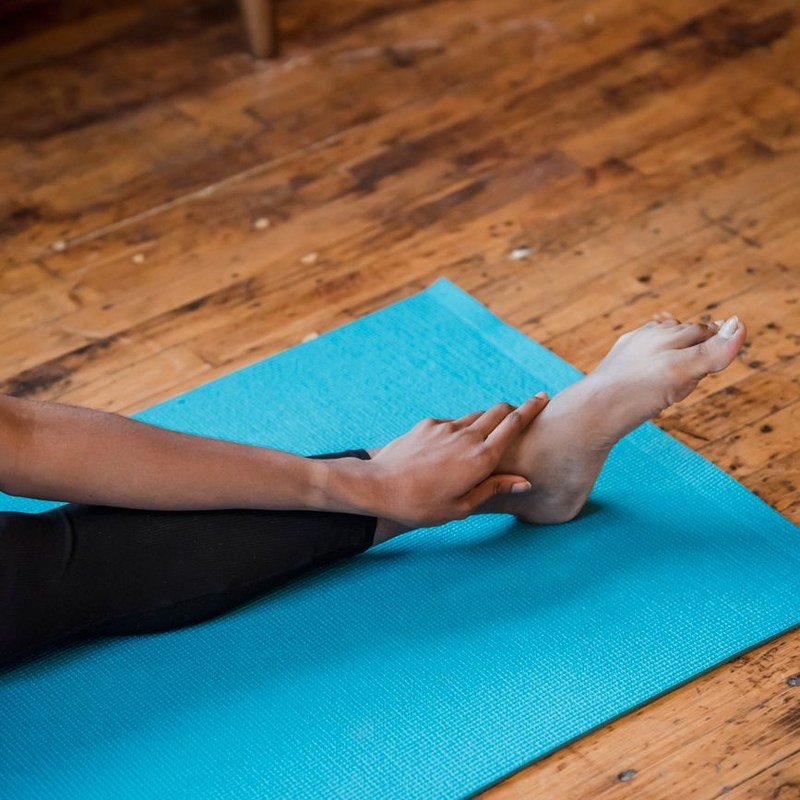
When I first started training in hotel rooms, I tried to pack everything into every trip—strength one day, a long run the next, mobility before bed. It looked good on paper. Then I ran that plan during a three-day conference in Chicago and was wrecked by Wednesday afternoon. The problem wasn’t motivation. It was scheduling.
What actually works on the road is simple: three short bodyweight strength sessions per week plus a couple of easy cardio blocks. No hour-long gym detours, no gear to pack, no complicated programming.
A Realistic Travel Week
Do the hotel circuit three days a week, but never on back-to-back days. Your muscles need those off days to repair, and that repair is where the fitness gains happen. On the other days, go for a brisk walk or use the hotel stairs for a short cardio session.
A realistic travel week looks like this:
- Monday: 20-minute hotel strength circuit
- Tuesday: 15-minute brisk walk
- Wednesday: 20-minute hotel strength circuit
- Thursday: 15-minute walk or 15-minute travel HIIT
- Friday: 20-minute hotel strength circuit
- Saturday: easy walk or rest
- Sunday: rest
That’s about 90 minutes of movement across the whole week. It doesn’t sound like much, but it’s enough to keep your momentum and hold onto your fitness while you’re away from home.
The 15-Minute Travel HIIT
For a quick cardio burst in your room, try this: jog in place for 30 seconds, rest for 30 seconds, and repeat eight times. Add a short warm-up and you’re done in 15 minutes. If the floor below you is thin, do high knees in a corner or step-ups on the side of the bed. I once did this in a hotel room near the Dallas airport and got just as sweaty as I do on a treadmill.
Travel HIIT works as a substitute for one strength circuit day. If your schedule gets tight, do the strength circuit one morning and HIIT the next, then pick up your normal routine after that.
Make It Harder Without Making It Longer
You don’t need more reps to progress in a hotel room. Slow down the lowering phase or pause at the bottom of a squat for two seconds to make the same moves harder. Another trick: add one extra rep to the final set of each exercise every time you travel. Small changes like that keep the workouts honest.
If you’re new to training, cut the circuit to 12 minutes on your first travel day and build up from there. The point isn’t to feel wrecked on a work trip. It’s to come home thinking, “That wasn’t so bad — I can keep this going.”
Have you tried a hotel room circuit before? If you want a little cushion under your knees, check current prices on Amazon for a portable exercise mat — and share your own travel workout tips in the comments.
Progressions, Recovery, and Sticking With It
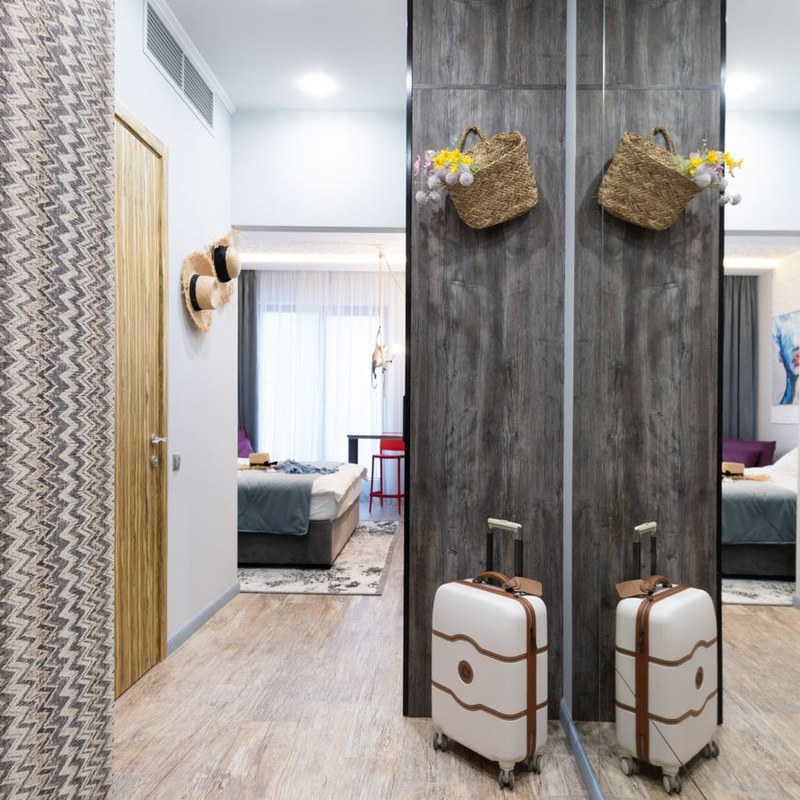
You can repeat this hotel room workout for months and still get results, as long as you gradually make it harder. For the first week or two, run the circuit as written — three rounds if you can. Two rounds is a fine starting point. Stop there and aim for three next time.
When the circuit starts feeling easy, it’s time to progress. Pick one change: add two or three reps per move, slow down the lowering phase, or cut your rest periods from 60 seconds to 45. Change one variable at a time. Add reps and shorten rest on the same day and you won’t know which one made the difference. I tried the slower lowering phase on a trip to San Jose, and it turned a familiar circuit into a completely different session. No extra equipment or time. Just a steady negative on every rep.
- Weeks 1-2: three rounds, 60-second rests, original reps.
- Weeks 3-4: three rounds, add two or three reps to each move.
- Weeks 5-6: three rounds, original reps, but slow the lowering phase.
- Weeks 7-8: three rounds, 45-second rests.
After eight weeks, cycle back or combine two of these changes. Don’t rush the process. Progress comes from small, consistent upgrades.
Recovery matters even more on the road. Travel steals sleep and throws off hydration. On back-to-back travel days, prioritize sleep and hydration. I keep a full bottle of water on the nightstand and drink a glass before coffee. I also carry earplugs and a sleep mask — they cost almost nothing, and they make hotel blackout curtains unnecessary.
If you’re exhausted and only have ten minutes, do a short stretch routine. It beats skipping movement altogether. You might not raise your heart rate, but you keep the habit alive and your shoulders will thank you after a long flight.
Sticking with this routine starts before you leave home. Set a trip goal like “I’ll train three times in my hotel room.” That kind of specific target works better than “I’ll stay fit.” Write it on your phone or on a sticky note inside your suitcase.
If you want to upgrade later, check current prices on Amazon for a light resistance band or a travel-friendly mat. Then come back and tell us in the comments how your hotel room workouts are going. Your feedback helps other travelers figure out what actually works.
Medical & Editorial Review: This article was reviewed by Liam Smith, founder of Apexfito, for accuracy and safety. Content is for educational purposes and is not a substitute for professional medical advice. Consult your physician before starting any exercise or nutrition program.