How to Warm Up Before Lifting Weights: A 5-Minute Routine
Full disclosure: Some links in this article are affiliate links. We may earn a small commission at no extra cost to you if you make a purchase through them. Our recommendations are based on what real users report, not on commission size.
Why Warming Up Matters More Than You Think
Cold muscles are stiff and tear easily. A ten-second stretch won’t fix that. When you walk into the gym and go straight for the barbell, your muscles are like cold rubber bands – pull too hard and they snap. Warm them up and they stretch safely. That’s the reality of lifting cold.
But it’s not just about tissue temperature. Your nervous system needs time to wake up. Without a warm-up, your brain and muscles aren’t fully connected. That first heavy set feels clumsy, weak, unstable. A few minutes of activation primes those neuromuscular pathways, so you move with control from rep one.
The numbers are hard to ignore. One review in the Journal of Strength and Conditioning Research found structured warm-ups cut injury rates by up to 50% in strength training. Another study showed a 5–10% boost in strength output after warming up. That’s not just about safety – that’s more weight on the bar, more reps completed, better results.
So what does a good warm-up look like? Keep it simple: two to three minutes of light cardio – jumping jacks, fast walking, or a light jog. Then dynamic stretches like leg swings, torso twists, and arm circles. Follow with a few bodyweight squats or push-ups to activate the muscles you’ll train. Skip static stretching – save that for after your workout. That’s five minutes that can save you from injury and improve your performance.

What a Smart Warm-Up Actually Looks Like
If you rush to the barbell, you’re not alone. A smart warm-up doesn’t waste time—it’s a five-minute system that prepares your body to lift heavier and safer. Four steps: raise, mobilize, activate, potentiate.
Step 1: Raise. Start with 1–2 minutes of low-intensity cardio. Jumping jacks, jogging in place, or banded side steps work. You want to raise core temperature and increase blood flow until you feel a light sweat. I’ve tried skipping this step—my first set of deadlifts felt terrible. Doing it first makes a huge difference.
Step 2: Mobilize. Follow with dynamic stretches that take joints through full range of motion. Leg swings (forward and lateral), hip circles, and torso twists. Don’t static stretch before lifting; dynamic prep readies your muscles for explosive movement without reducing tension.
Step 3: Activate. Now activate your glutes and core with bodyweight moves. Glute bridges, bird dogs, planks. Hours of sitting make these muscles sleepy, and if they’re not firing during squats, your lower back takes the hit. Ten reps should wake them up.
Step 4: Potentiate. Finish with movement-specific drills that mimic your main lifts. Bodyweight squats before squatting, push-ups before bench, banded pull-aparts for pulls. This primes your nervous system and grooves the movement pattern. Your first working set will feel smoother and your bar path will improve.
That’s it—five minutes, no equipment needed. Use this sequence before every session and your lifts will feel better and soreness will drop.
Your 5-Minute Lifting Warm-Up Routine (Step by Step)
You don’t need twenty minutes or a pile of gear to warm up right. This five-minute sequence raises your heart rate, oils your joints, and wakes up your nervous system for heavy lifting. I’ve run through this before every squat session for the past year, and my first working set always feels smoother and safer because of it.
Minute 1: Jumping Jacks or High Knees – Pick one and go moderate. You should be breathing harder but still able to talk. Break a light sweat. If your joints are sensitive, do high knees on the spot. Keep your core tight and land soft.
Minute 2: Arm Circles and Torso Twists – Feet shoulder-width apart. Circle your arms forward for 15 seconds, then backward for 15 seconds, gradually making bigger circles. Then twist your upper body left and right, letting your arms swing. Don’t force the motion — let the range build naturally. This fires up your shoulder capsules and thoracic spine.
Minute 3: Leg Swings and Hip Circles – Hold onto a wall or rack for balance. Swing one leg forward-backward 10 times, then side-to-side across your body 10 times. Switch legs. Keep the swings controlled — no flinging. Then trace big circles with your hips, 5 each direction. This mobilizes the hip joint, a must for squats and deadlifts.
Minute 4: Bodyweight Squats and Push-Ups – Do 10–15 perfect bodyweight squats. Go to full depth if you can. Then do 8–12 push-ups. If standard push-ups are too hard, drop to your knees or use a bench. Quality over quantity. This pair activates your glutes, quads, chest, and triceps — muscles you’ll hit in almost every lift.
Minute 5: The Empty Bar or Light Weights – Rehearse the movement you’re about to do. Benching? Lie down and press the empty bar for 5–8 reps, focusing on bar path and scapular retraction. Squatting? Unrack the bar and do 5 reps at an easy weight, then add more for another set. Keep increasing until you reach your working weight. This final minute bridges warm-up and work, telling your nervous system, “We’re about to lift heavy.”
Try this warm-up before your next workout. It takes less time than scrolling social media between sets, and it can save you from a pulled muscle or a stalled set. Check current prices on Amazon for any gear you might need — like a jump rope or a mobility band — and share your experience in the comments below. I’d love to hear how it works for you.
Three Warm-Up Mistakes That Can Sabotage Your Training
You’re short on time. The worst thing you can do is waste your warm-up on moves that work against you. I’ve seen lifters sabotage their performance before the first set — and I’ve done it myself. Here are three common mistakes and how to fix them.
1. Holding Static Stretches Before You Lift
That quad or hamstring hold while you scroll your phone? It’s not helping. Static stretching before strength work temporarily weakens muscle output — the opposite of what you want before a heavy squat or bench press. Instead of holding for 30 seconds, use dynamic movements that take your joints through full range of motion. Save the deep holds for after training, when muscles are warm and you’re aiming to improve flexibility.
2. Rushing Through or Cranking Up the Intensity
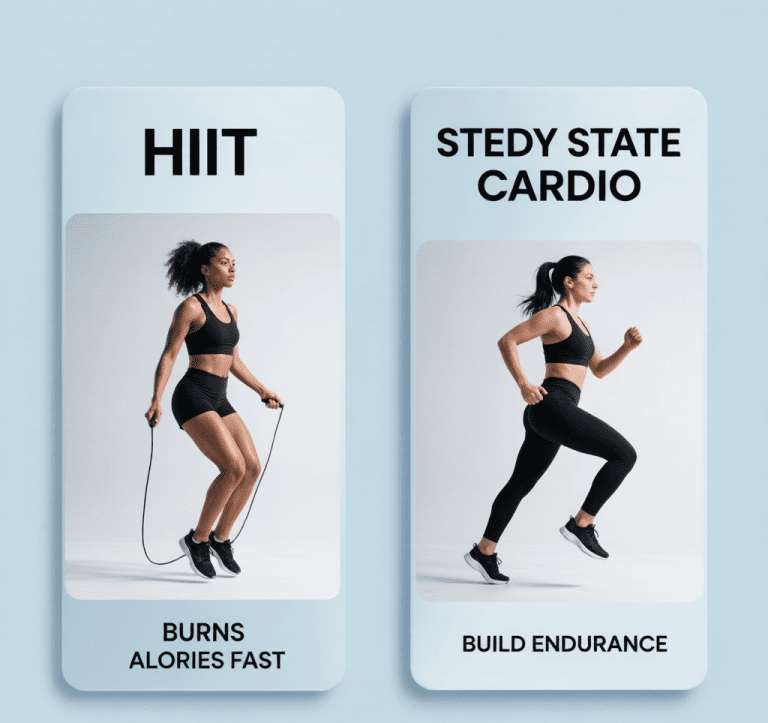
Treating your warm-up like a HIIT session is another mistake. I once had a client who did burpees and jump squats before deadlifts — then wondered why he felt wiped out by set two. Your warm-up should be low to moderate intensity. Increase blood flow and joint lubrication, not max out your heart rate. Aim for a light sweat at most. If you’re breathing hard, dial it back.
3. Ignoring Your Own Weak Spots
Tight hips from sitting all day? A previous ankle sprain that never fully healed? A generic warm-up might skip those areas. Tailor your warm-up to your body. If your right hip always feels stiff, add extra leg swings or hip circles on that side. If you had a shoulder injury, include controlled rotations. Address your weak points now to keep lifting steady down the road.
Fix these mistakes and your warm-up becomes a tool that makes your workout safer and more effective — not a chore to rush through.
Check current prices on Amazon and share your experience in the comments below.

Medical & Editorial Review: This article was reviewed by Liam Smith, founder of Apexfito, for accuracy and safety. Content is for educational purposes and is not a substitute for professional medical advice. Consult your physician before starting any exercise or nutrition program.