Creatine 101: What It Does, Who Should Take It, and How to Dose It
Full disclosure: Some links in this article are affiliate links. We may earn a small commission at no extra cost to you if you make a purchase through them. Our recommendations are based on what real users report, not on commission size.
What Creatine Actually Is and How It Works in Your Body
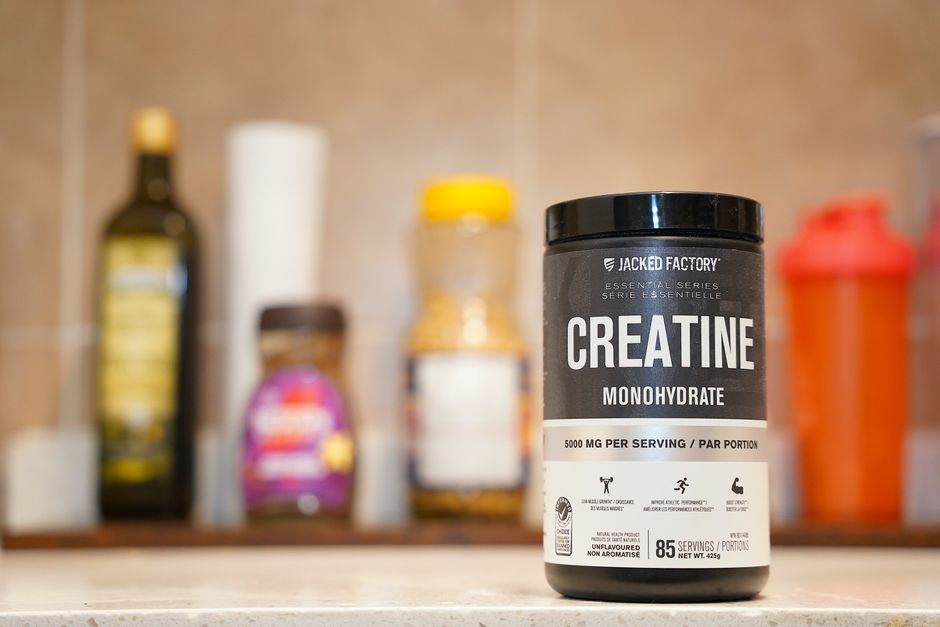
Creatine is a natural compound your body makes from three amino acids—arginine, glycine, and methionine. You also get it from eating red meat and fish. About 95% of your body’s creatine is stored in your muscles as phosphocreatine (or creatine phosphate). That small stash sits waiting for high-energy demands.
Here’s how it works at the cellular level: When you do something explosive—a heavy squat, a sprint, a max effort set—your muscle cells rip apart ATP (adenosine triphosphate) for energy, leaving ADP (adenosine diphosphate). Normally, that ATP takes a while to regenerate. But phosphocreatine steps in, donating a phosphate group to ADP to rapidly turn it back into ATP. This buys you an extra couple of seconds of top-end power. That’s why creatine is most effective for activities lasting 10 seconds or less.
This isn’t some synthetic lab drug. Creatine has been studied for decades, with hundreds of trials showing it’s safe for healthy adults. It’s not a steroid, hormone, or anything that gives you a chemical advantage in a shady way. It’s a dietary supplement, much like protein powder, that simply supports your natural energy systems.
Your baseline creatine levels depend heavily on your diet. Omnivores typically have muscle stores that are 60–80% saturated because of meat and fish intake. Vegetarians and vegans, on the other hand, rely solely on internal production and usually sit at 50–60% saturation. That means supplementing can create a bigger relative improvement (compared to omnivores) in performance for plant-based eaters. If you’re in that category, you stand to gain more noticeable strength and power benefits from creatine than someone who eats steak regularly.
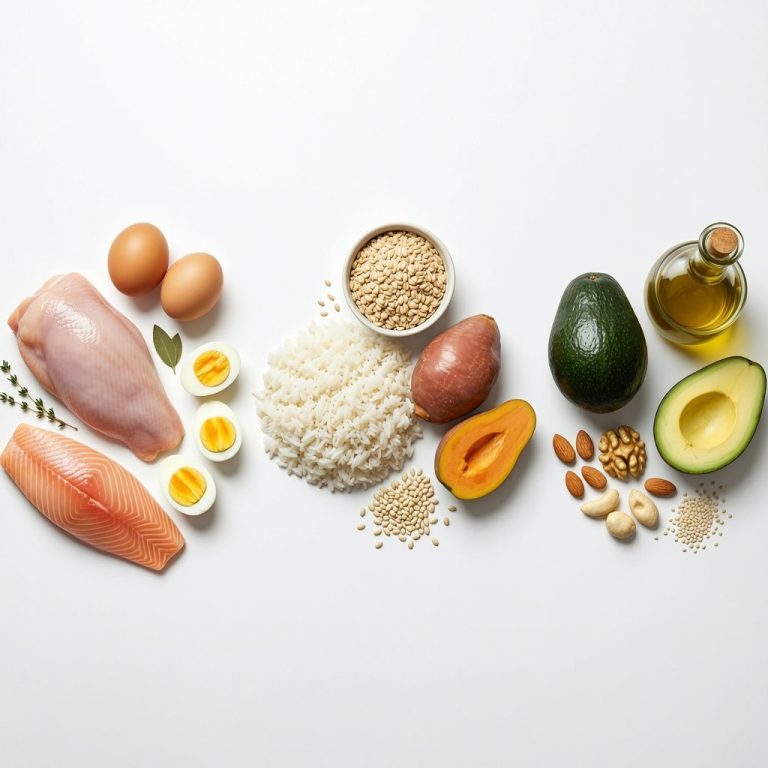
One practical point: While you can get some creatine from food, getting enough to fully saturate your muscles through diet alone is difficult. A serving of beef (about 5 oz) provides around 0.5 grams of creatine. To reach a typical supplement dose of 5 grams, you’d need to eat nearly 2 pounds of beef every day. That’s not realistic for most people, and it’s why supplementing is the most effective way to top off your stores.
The Proven Benefits: More Than Just Muscle and Strength

Over 500 studies — some dating back to the early 1990s — confirm that creatine supplementation boosts strength by 5 to 15% when combined with resistance training. That’s a real, measurable edge: it lets you grind out one or two extra reps on your last set. Over weeks and months, those extra reps drive hypertrophy. Creatine doesn’t build muscle directly, but by helping you train harder and more frequently, it creates the stimulus for growth. The water it pulls into your muscle cells also adds a volumizing effect that may trigger growth pathways. Studies show that over 8–12 weeks, creatine users gain an extra 2–4 pounds of lean mass compared to placebo groups doing the same program.
Now, does that mean every person who takes it will break through a plateau? Not necessarily, but the consistency of the research is hard to dismiss. I’ve had clients who were skeptical until they tried it. One guy, a 45-year-old lawyer, had been stuck on his bench press for months. After two weeks of 5 grams of creatine daily, he added 10 pounds to his working sets and finally broke through. Was it all creatine? Probably not — placebo is real — but when you stack that experience against hundreds of controlled trials, the pattern holds.
The benefits aren’t limited to the gym. Some research suggests creatine supports brain energy metabolism. Your brain burns through ATP rapidly during intense mental work. A few studies have found that creatine can improve short-term memory and reduce mental fatigue, especially in people who are sleep-deprived or follow a vegetarian diet (they tend to have lower baseline creatine stores). It’s not a smart pill — don’t expect to ace exams from creatine alone — but it’s a useful bonus if you’re already taking it for performance.
Where creatine falls short: endurance athletes. If you’re training for a marathon or long bike ride, creatine won’t give you much. It’s designed for high-power, short-duration efforts — sprints, heavy lifts, intervals. For anything lasting longer than 30 seconds, your body’s aerobic system takes over and creatine’s role diminishes.
So who should take it? Most people who do resistance training and want to get more out of their sessions. A standard dose of 3–5 grams of creatine monohydrate per day is all you need. No loading phase required — just take it consistently. Timing doesn’t seem to matter much, though some research shows taking it post-workout alongside carbs might boost uptake slightly. But don’t overthink it: just get it in every day.
Now for the practical part: you can buy creatine monohydrate for pennies per serving. It’s one of the cheapest and most researched supplements out there. Check current prices on Amazon to see what fits your budget. And if you try it, drop a comment below — I’d love to hear whether you noticed a difference in your workouts and recovery.
Who Should Take Creatine — and Is It Safe for Everyone?
Creatine isn’t just for bodybuilders. The people who benefit most fall into three groups: vegetarians, older adults fighting muscle loss, and anyone training for strength or power.
If you don’t eat meat, your natural creatine stores are lower because the primary dietary sources are red meat and fish. Studies show vegetarians often see bigger gains in muscle mass and cognitive performance when they supplement. I’ve worked with vegan clients who felt noticeably stronger within two weeks of starting.
Older adults lose muscle mass at a rate of 3–8% per decade after 30. Creatine helps counteract that by improving the quality of muscle contractions and boosting satellite cell activity. One study in men over 65 showed that creatine plus resistance training increased lean mass more than training alone. If you’re in your 50s or 60s and not taking it, you might be leaving gains on the table.
For anyone training for strength or power — whether you’re a powerlifter, sprinter, or just hitting the gym hard — creatine is about as close to a sure thing as supplements get. Hundreds of trials confirm it improves performance in high-intensity, short-duration activities. It’s not magic, but it works.
Is it safe? Let’s clear up the kidney myth
The biggest scare around creatine is kidney damage. That fear traces back to a few case reports from the early 2000s involving people who already had kidney disease. Those reports were misapplied to healthy individuals. In reality, decades of research on people with normal kidney function show no harmful effects, even with long-term use. A 2017 review in the Journal of the International Society of Sports Nutrition concluded that creatine is safe when used at recommended doses (3–5 grams daily).
If you have chronic kidney disease, diabetes-related kidney issues, or are at risk for kidney stones, you should check with your doctor before starting. That’s a real precaution, not a scare tactic. For everyone else, the safety record is excellent. Your body produces creatine naturally, it’s found in food, and your kidneys handle the excess just fine.
What about teenagers?
Adolescents can take creatine safely, but dosing needs to be conservative and ideally supervised. I usually recommend younger athletes stick with 3 grams per day and avoid loading phases. The priority is making sure they’re old enough to understand why they’re taking it — usually 16 or older — and that they’re training consistently, not looking for shortcuts. A 2022 statement from the Australian Institute of Sport lists creatine as a Group A supplement (supported for use in sport) for youth athletes when used appropriately.
Practical dosing for different goals
Here’s how I tell people to start:
- Loading phase (optional): 20 grams per day (split into four 5-gram doses) for 5–7 days. This saturates muscles faster. Some people get mild bloating; if that bothers you, skip loading and just take 3–5 grams daily. You’ll reach full saturation in 3–4 weeks.
- Maintenance: 3–5 grams daily. No need to cycle. I’ve been on it for years without issue.
- Vegetarians and older adults: Stay on the lower end of the range (3 grams) for the first month, then adjust if needed. Your stores take longer to fill, so be patient.
- Teens: 3 grams daily, no loading. Monitor for any digestive discomfort.
Staying hydrated matters too. Creatine draws water into your muscle cells, so aim for at least 3 liters of water per day to avoid cramping and support performance.
If you’re buying creatine monohydrate, look for micronized powder — it mixes better and reduces the chance of stomach upset. Creapure® is a German brand with high purity, but most reputable companies test their products. Check the label for third-party certification like NSF or Informed Sport.
I’ve had readers tell me they noticed better recovery between sets after two weeks, and others who didn’t feel anything at all — but still made strength gains over two months. The effects can be subtle, but they accumulate. If you’re training hard and eating well, creatine just makes that effort pay off a little more.
Now for the practical next step: if you want to try it, check current prices on Amazon for creatine monohydrate — a tub usually costs around $15–25 and lasts two to three months. And drop a comment below if you’ve used it. I’m curious whether you noticed anything in the first week or if it took longer.
How Much to Take, When to Take It, and What Form Works Best
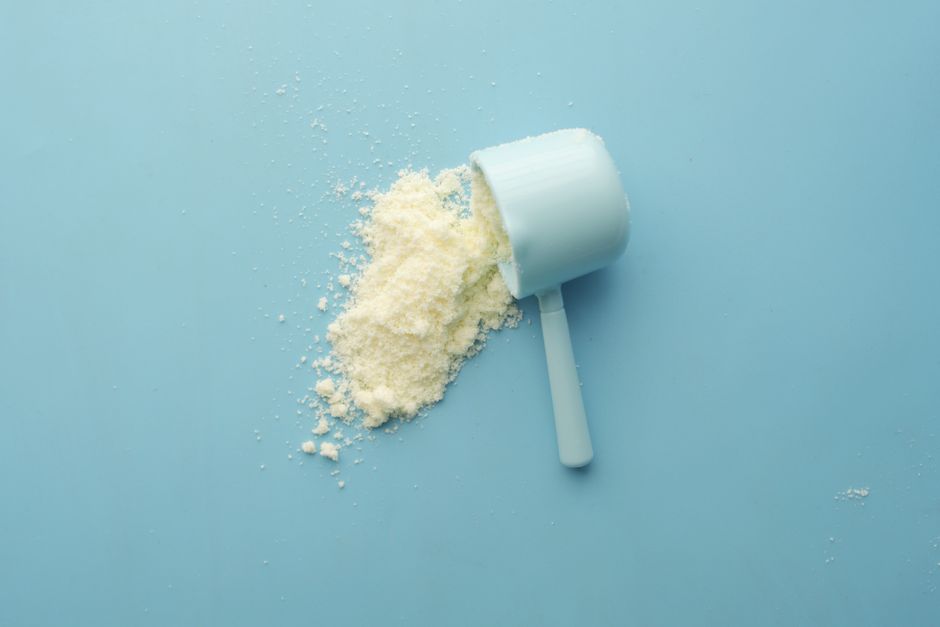
You’ve decided to try creatine. Good call. Let’s skip the fluff and get straight to real doses, timing, and what to buy.
Daily Dose: The Simple Rule
For most people, 3 to 5 grams per day is all you need. No calculators, no bodyweight formulas. The research is clear: this range fully saturates your muscles within a few weeks. I’ve used 5 grams straight for years — one level scoop from a standard container, mixed in water, down the hatch.
A loading phase (20 grams split into 4 doses for 5–7 days) can speed up saturation, but it’s entirely optional. If you want fast results and can handle a little stomach bloating, load. Otherwise, skip it — you’ll reach full saturation in three to four weeks with the maintenance dose.
Which Form Is Worth Your Money
Creatine monohydrate. Period. It’s the most studied form by a long shot, and it costs pennies per serving. Fancy versions like creatine HCl, ethyl ester, or buffered creatine promise better absorption or less water retention, but the evidence just isn’t there. A 2017 study compared monohydrate and HCl head-to-head and found no difference in muscle creatine levels or performance. Don’t pay triple for marketing.
I personally buy unflavored micronized monohydrate. The micronized powder dissolves better — less grit at the bottom of your glass. Buying in bulk (500 grams or 1 kilogram) brings the cost down to about $0.04 per gram. Capsules are convenient but usually 2–3 times more expensive per gram. If you travel a lot, capsules might make sense; otherwise, powder is the smarter choice.
Timing: It’s Overrated
Take creatine whenever you’ll remember to take it consistently. Some studies hint that post-workout might be slightly better than pre-workout, but the difference is trivial in real life. I keep a jar on my kitchen counter and add a scoop to my morning coffee or afternoon water. If I forget, I take it with dinner. Consistency matters most, not timing.
If your stomach is sensitive, mix the powder with food or a larger drink. I’ve had friends who got cramps taking creatine on an empty stomach — starting with a smaller dose and taking it with a meal fixed it. Also, don’t bother with “cycling.” There’s no evidence that taking breaks is necessary. Your body can handle continuous use for years without issue. The World Anti-Doping Agency doesn’t ban it, and long-term studies show no adverse effects at standard doses. One practical note: creatine pulls water into your muscles — that’s how it works. But the myth that it dehydrates you has been debunked. Still, drink enough water throughout the day. You’ll feel better and your muscles will look fuller.
Quick Reference: What to Do
- Maintenance dose: 3–5 grams daily, any time. No cycling needed.
- Loading (optional): 20 grams daily (4 doses of 5 grams) for 5–7 days.
- Best form: Micronized creatine monohydrate powder.
- Mixing: Stir into water, juice, or a shake. Unflavored works in almost anything.
- Cost saving: Buy a bulk tub, not capsules. Check current prices on Amazon — a kilogram often costs less than $25.
Start with a simple routine: one scoop per day, the same time, and give it a month. You won’t feel a “rush” like caffeine, but after a week or two, you’ll notice reps coming easier and maybe an extra 5–10 pounds on the bar. That’s the creatine effect.
Once you’ve tried it, drop a comment below — tell me what dose worked for you, how you felt, and which brand you chose. I read every one, and other readers find real-world insight helpful. Also, click here to check current prices on Amazon and compare deals before you buy.
Medical & Editorial Review: This article was reviewed by Liam Smith, founder of Apexfito, for accuracy and safety. Content is for educational purposes and is not a substitute for professional medical advice. Consult your physician before starting any exercise or nutrition program.