Peloton Bike vs NordicTrack S22i vs JOROTO JH50: Which Home Stationary Bike Is Best for You?
Full disclosure: Some links in this article are affiliate links. We may earn a small commission at no extra cost to you if you make a purchase through them. Our recommendations are based on what real users report, not on commission size.
The Three Riders This Comparison Is Really About
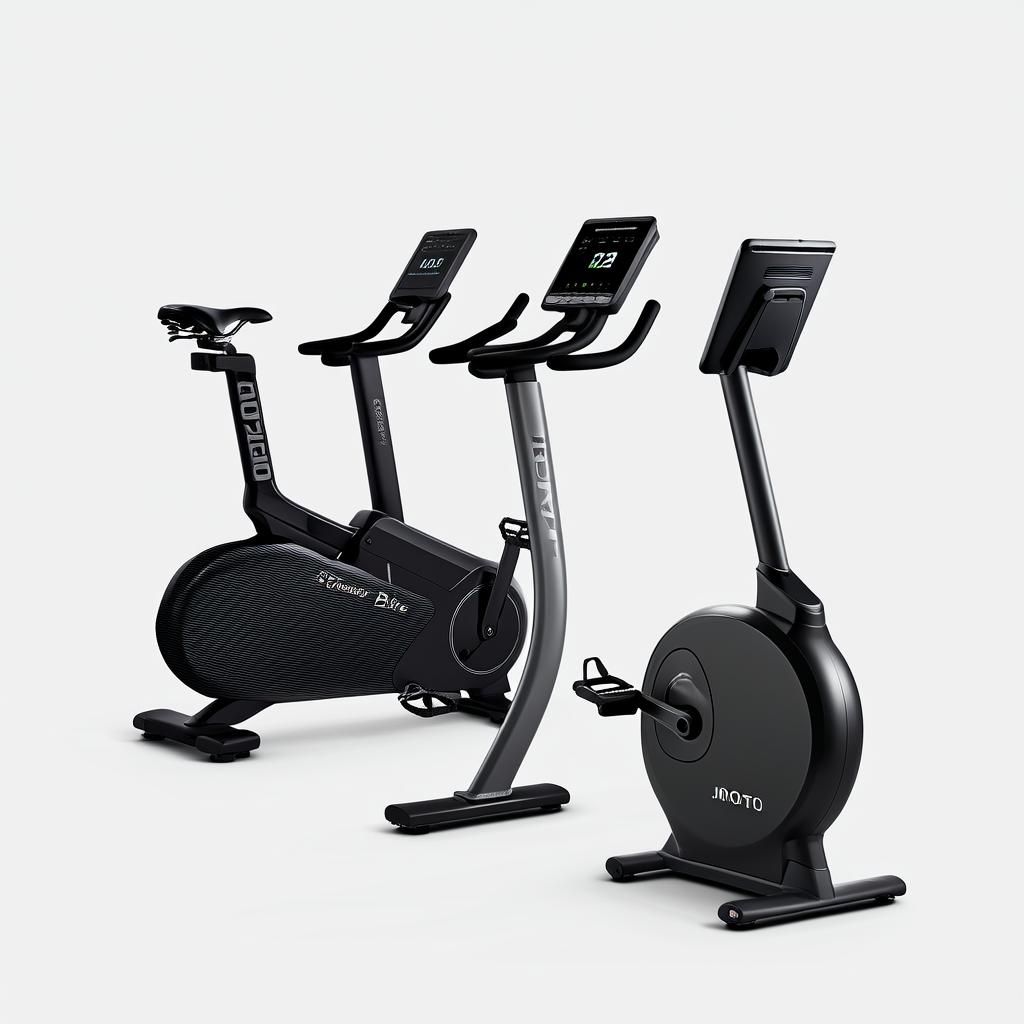
The Peloton Bike, NordicTrack S22i, and JOROTO JH50 all have respectable specs. I’ll go through flywheel weights, resistance ranges, and screens in a moment. The reason to split these bikes into three rider groups first is that a spec sheet alone won’t tell you whether this is the bike you’ll actually use on a Tuesday morning.
For this comparison, I spent two weeks with each bike at home, riding four or five times per week. The Peloton was my own bike, the NordicTrack S22i came on loan from a friend, and JOROTO shipped the JH50 directly to me in a box I had to assemble. I took trainer-led classes on the Peloton and iFit, then ran self-structured intervals on the JOROTO. The observations below come from those sessions, including setup, noise, and how often I actually looked forward to riding each one.
Peloton Bike riders are buying the class experience, not just hardware. The leaderboard, the live and on-demand class library, and the social pressure of seeing your output ranked against other riders are the real product. A monthly membership covers that ecosystem, and if you’re the type of person who needs a coach counting down the final 30 seconds, the Peloton will get used. Skip it if you plan to watch Netflix while pedaling or refuse to pay subscription fees.
NordicTrack S22i riders want terrain. The motorized incline and decline change the load on your legs mid-ride, and iFit’s video workouts take you up mountain passes instead of keeping you in a studio. That training style suits cyclists who want to simulate climbs without leaving the house, and it also helps riders who get bored pedaling against flat resistance. The tradeoff is that you’re buying into iFit’s programming, and the S22i’s heavy frame and rotating screen need more floor space than the other two bikes.
JOROTO JH50 riders care about value and simplicity. You get a heavy flywheel, magnetic resistance, and a stable frame for a fraction of the price, with no monthly fee and no proprietary ecosystem. The bike won’t coach you, track your workouts, or adjust resistance automatically for a video route. If you already know how to structure your own interval blocks and just want a smooth, quiet machine in the spare room, the JOROTO is the straightforward choice.
The point of sorting out these rider types before diving into specs is simple: the best purchase is the one you’ll still sit on after the novelty fades. So ask yourself two questions. First, do you want someone or something telling you what to do next? Second, are you comfortable paying for that guidance every month?
Price, Subscriptions, and Hidden Costs: What You Actually Pay
Before you get pulled in by a glossy commercial, do a total cost estimate. The price on the product page is only one number. With these three bikes, the real difference comes from monthly memberships, trial expirations, and small accessories that show up after the order.
All prices here are in USD and were checked in early 2025. Manufacturer and Amazon prices shift regularly, and Canadian readers may see different amounts and shipping options on Amazon.ca.
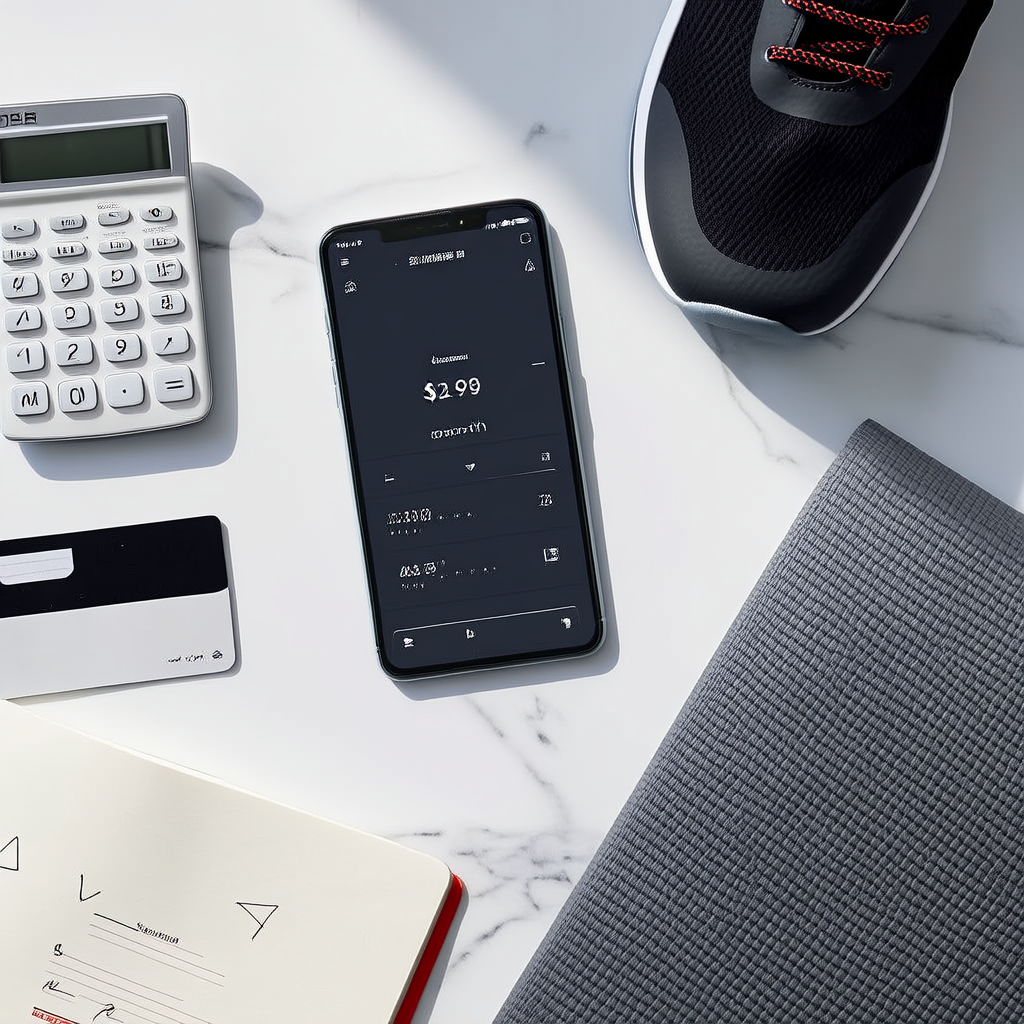
Upfront costs: what the three bikes actually list for
The Peloton Bike usually lists at $1,445. That gives you a polished build and a screen that is genuinely nice to use. It also carries the biggest brand name in home cycling, which is part of why the price stays high.
The NordicTrack S22i typically lists at $1,999, but it swings heavily on sales. During major holidays, I have seen it drop below $1,500. The bike is heavier and feels built for aggressive interval work, and the 22-inch pivoting screen is a big part of the experience.
The JOROTO JH50 usually sits between $300 and $400 on Amazon. At that price, you get a magnetic resistance bike with a tablet mount and a much cheaper console. It is not in the same build class as the other two, but it does the one thing a stationary bike has to do: let you pedal with resistance and no drama.
Subscriptions: where the monthly math changes the deal
Peloton: The All-Access membership costs $44 per month. Without it, the Bike still lets you ride, but you lose live classes, the leaderboard, and detailed performance stats. Since most people buy a Peloton for the ecosystem, you should assume the membership is part of the real price. First-year total: $1,445 + ($44 x 12) = $1,973.
NordicTrack S22i: It ships with an iFit trial. During the trial, the bike shines: resistance changes automatically to match terrain, and the frame tilts with the video. Once the trial ends, iFit costs about $39 per month, or $396 per year if you prepay (that works out to $33 per month). If you let iFit lapse, the S22i becomes a manual bike. You can still adjust resistance and incline with buttons, but the auto-adjust feature stops working. That kills the main reason to pick the S22i over a simpler bike.
JOROTO JH50: There is no forced subscription. You can just pedal. For guided workouts, you cast or stream content from your own tablet. You could use the free JOROTO app, a third-party app like Zwift, or a digital class membership on your phone. That flexibility is nice, but it means you are doing the work to set up your own interactive experience.
Hidden costs and accessories to budget for
No matter which bike you choose, a few extra expenses will sneak into your first month.
- Delivery and setup: Peloton and NordicTrack sometimes charge for delivery or white-glove assembly. The S22i is heavy enough that you should not attempt to carry it alone. JOROTO usually ships free via Amazon, but you will be the one attaching the feet, seat, and handlebars.
- Clip-in shoes: All three bikes benefit from proper cycling shoes. If you do not already own a pair, budget $60 to $120. Peloton pedals use a Delta cleat pattern; the others may use SPD or a compatible pattern, so check before buying.
- Floor mat: Sweat will drip, and the bike will rock slightly on hard floors. A mat costs $25 to $60 and saves your flooring.
- Trial renewals: The sneakiest hidden cost is automatic renewal after a free trial. Put a reminder on your phone a day or two before the trial ends.
Yearly math: a realistic comparison
Run the numbers before you decide. Here is an example with typical prices:
- Peloton Bike: $1,445 + $528 membership = $1,973 for the first year.
- NordicTrack S22i: $1,999 + $396 iFit annual = $2,395 if you keep iFit. If you skip iFit, it is $1,999 and you lose the automatic resistance and incline.
- JOROTO JH50: $350 + $80 shoes + $40 mat = $470. No subscription required.
Those numbers shift with sales. During a holiday promotion, the S22i has dipped below $1,500. Toss in the $396 iFit annual plan and it is still around $1,900, which is cheaper than a full-price Peloton with its membership. The JOROTO remains the low-cost option, but you give up the guided class experience and the polished software.
Do the total-cost check for your own situation
Open a note on your phone and write down the bike price, the membership price, and the accessories you actually need. Multiply the membership by how long you plan to own the bike. A $44 monthly membership feels small until you see it as $528 every year.
For some riders, that cost is worth it. I have used Peloton classes and they are good. But I have also watched people cancel after three months because they were not riding enough to justify the bill. Set a calendar reminder for any free trial, and decide in advance whether you will actually use the guided features. That is the difference between a smart purchase and a recurring charge you forget about.
Ride Feel, Build Quality, and Setup: From Unboxing to First Sweaty Session
A spec sheet tells you flywheel weight and how many resistance levels a bike has, but it doesn’t tell you how the bike behaves when you’re gasping through intervals. I spent several weeks riding the Peloton, NordicTrack S22i, and JOROTO JH50 in my own home. I assembled each one myself (with a second pair of hands for the S22i), created a mess of zip ties and cardboard, and then put enough miles on them to form a strong opinion.
| Bike | Flywheel | Resistance | Max User Weight | Footprint | Screen |
|---|---|---|---|---|---|
| Peloton Bike | 38 lb | Magnetic, 100 levels | 297 lb | 59″ L x 23″ W x 47″ H | 21.5″ HD touchscreen |
| NordicTrack S22i | 32 lb | Magnetic + incline -10% to +20% | 350 lb | 63″ L x 22″ W x 59″ H | 22″ rotating HD touchscreen |
| JOROTO JH50 | ~35 lb | Felt pad, manual tension | 350 lb | 48″ L x 20″ W x 46″ H | Device holder |
These numbers put the three bikes in the same ballpark. The ride is where they split.
Assembly was the first time each bike showed its personality. I unboxed the JOROTO JH50 first, and the heavy box was a good sign. That frame is welded with real heft, but the single-sheet instructions made the 90-minute build more interpretive than I’d like. The Peloton took about 45 minutes and only needed one person. The S22i required a second pair of hands because the motorized incline and screen mount make the main frame too awkward to lift alone.
The Peloton Bike delivers the quietest, most refined magnetic resistance of the three. The resistance dial has a linear sweep: each rotation changes pedal pressure predictably, and there’s no dead spot at the top end. The flywheel carries momentum in a way that encourages a smooth spin, and when I opened up my cadence, the bike didn’t shake or hunt. The handlebar and seat adjustments snap into place with a confidence neither the S22i nor the JOROTO matches. You set your position once and it stays for weeks. The whole machine feels machined rather than assembled, and it takes up less floor space than the S22i.
The S22i’s resistance is reliable and the drivetrain is quiet, but the incline motor and larger frame create more mechanical noise than the Peloton. You’ll hear a whir when the grade changes from -10% to +20%. That incline is the real differentiator. When the bike tilted to a simulated 10 percent grade, my hips slid back on the saddle and my hands pulled harder on the bars. Every hard effort felt like an actual climb, and the bike’s 32 lb flywheel kept its momentum when I stood up. The frame stayed planted through the whole range, even in the steepest simulated climbs.
The JOROTO JH50 is the heavy hitter of the group. The frame is welded with the kind of heft that makes you feel you’re getting more than the price suggests; at roughly 48 inches long, it’s shorter than the Peloton but still solid under sprinting. Once I added resistance, the belt drive spun smoothly and the bike stayed quiet. The pedal tension dial takes a few turns to find a useful spot—set too low, the pedals feel weightless and loose. At moderate and heavy loads, it’s stable, and the adjustable stabilizer feet fixed a small wobble on my wooden floor.
If you want the smoothest ride and you’re okay paying for polish, the Peloton wins on ride feel. If you want a bike that tilts and shifts your weight to make climbs feel real, the S22i wins. If you want a heavy frame and a smooth belt drive without paying for a famous name, the JOROTO JH50 wins.
A few setup notes you won’t find on the box:
- Re-tighten the bolts at the main pivot points after your first week of rides on any of these bikes.
- Use all the leveling feet, not just the front pair. A small twist can eliminate a subtle wobble.
- If your seat slips during climbs, make sure the adjustment lever is fully closed; on the JH50 you may need to press harder than feels necessary.
Before you decide, check the current prices on Amazon — they change more often than you’d expect. And if you’ve already ridden any of these bikes, share your experience in the comments. The real-world feel is exactly what the rest of us need to hear.
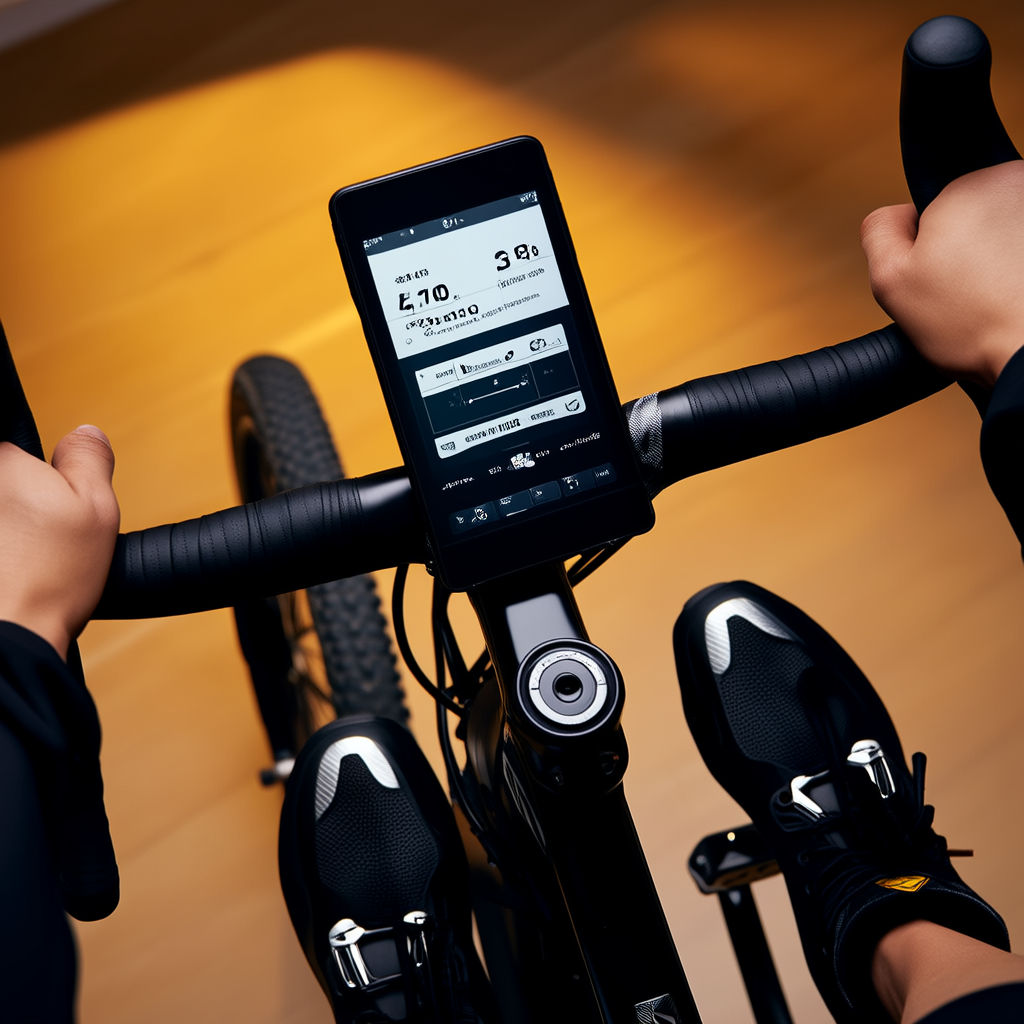
Which Bike Should You Put in Your Living Room? A Practical Decision Guide
After weeks of riding each of these bikes in real homes, I keep coming back to a simple conclusion: the best indoor bike is the one that gets used. You can obsess over flywheel weight and cadence accuracy, but if the bike doesn’t fit into your daily rhythm, it becomes an expensive coat rack.
Take my buddy Dan. He never misses a Wednesday spin class because the instructor’s playlist and the group energy lock him in. But when he trains alone at home, he drifts. For someone like Dan, the Peloton Bike’s scheduled live classes and streaks are worth the monthly fee. He rides at least three times a week because the leaderboard and the high-fives keep him honest. If that sounds familiar, budget for the $44/month all-access membership on top of the bike’s price.
Then there’s my neighbor Rachel. She does most of her training on a road bike in the summer and hates indoor spin classes. She uses the NordicTrack S22i to ride through winter because iFit’s library is full of outdoor routes filmed in places like the Swiss Alps and Utah’s national parks. The S22i automatically adjusts the incline and decline to match the terrain, so her body feels the climbs and descents instead of just watching them on a screen. If you already ride outside and want to stay sharp when the weather turns, the S22i’s real-road sessions give you a more direct transfer than a static studio workout.
And for my brother-in-law, who just wants to sweat without a monthly bill, the JOROTO JH50 is the pick. He clamped a tablet to the handlebars and opens the Peloton app or Apple Fitness+ whenever he wants. The belt drive is quiet enough that he can ride while the kids sleep. The finish isn’t as polished as the other two, and the whole experience depends on what screen you supply, but the price is a fraction of the others, and there’s no subscription lock-in.
Before you buy, put each bike through this quick test:
- Do you need someone else to schedule your ride? If a live class timer and an instructor countdown keep you accountable, the Peloton’s structure is worth the recurring cost. If you’d rather choose from a library whenever you feel like riding, the S22i or the JOROTO will feel less restrictive.
- Does self-adjusting resistance matter to you? The S22i is the only one that changes incline and decline automatically as part of an iFit workout. If that feature makes you smile, get the S22i. If you’re fine turning a knob or tapping a screen, the JOROTO gets you 90% of the way there for a lot less.
- How much do you hate monthly bills? The Peloton all-access plan adds up to over $500 per year. iFit also costs money for the S22i. The JOROTO doesn’t ask for a subscription, and third-party apps like Peloton Digital, Apple Fitness+, or Kinomap can be switched on and off as needed.
Now for the clear calls by budget.
If you’re looking at $2,000 or more for a bike plus a first-year membership, the Peloton is the right pick for anyone who thrives on live classes and competitive stats. You’re paying for the coaching, the community, and the accountability. If you’re not going to use those three multiple times a week, save your money.
If you’d rather spend similar money on a bike with a tilting screen and a training library that feels like a travel documentary, the S22i is the better fit. The auto-incline makes each ride feel like you’re actually climbing that hill, and the variety of destinations keeps boredom away. Just remember to add the iFit subscription to your cost calculation.
If your budget is under $700, the JOROTO JH50 is the one to get. It won’t have the build quality of the higher-end bikes, but it delivers a smooth, quiet ride that lets you bring your own apps and subscriptions. For a beginner or someone who wants a dependable indoor bike without ongoing costs, it’s the easiest recommendation I can make.
One last thing: check the current price on Amazon before you commit. The JOROTO JH50 in particular swings around more than you’d expect — I’ve seen it vary by over a hundred dollars within a couple weeks. The Peloton and NordicTrack prices are steadier, but the subscription costs are not. So look at today’s prices for all three, add two years of membership to the total, and then make your decision based on that real number.
Once you’ve ridden your new bike for a few days, come back to the comments and tell us which one you picked and what it felt like on day one versus day ten. That kind of lived-in feedback helps the next person who’s standing at the exact same crossroads.
Medical & Editorial Review: This article was reviewed by Liam Smith, founder of Apexfito, for accuracy and safety. Content is for educational purposes and is not a substitute for professional medical advice. Consult your physician before starting any exercise or nutrition program.