How Much Protein Do You Need Per Day?
Protein is the one nutrient almost everyone agrees on. Whether you are trying to build muscle, lose fat, or just eat better, getting enough protein is usually the answer.
The tricky part is knowing what “enough” actually means for you. The standard advice of “eat more protein” is not very helpful when you are standing in the grocery store trying to decide if chicken breast or Greek yogurt is the move.
Your protein target depends on your body weight, your activity level, and your goal. Use our free protein calculator to get your number in seconds.
How much protein do you actually need
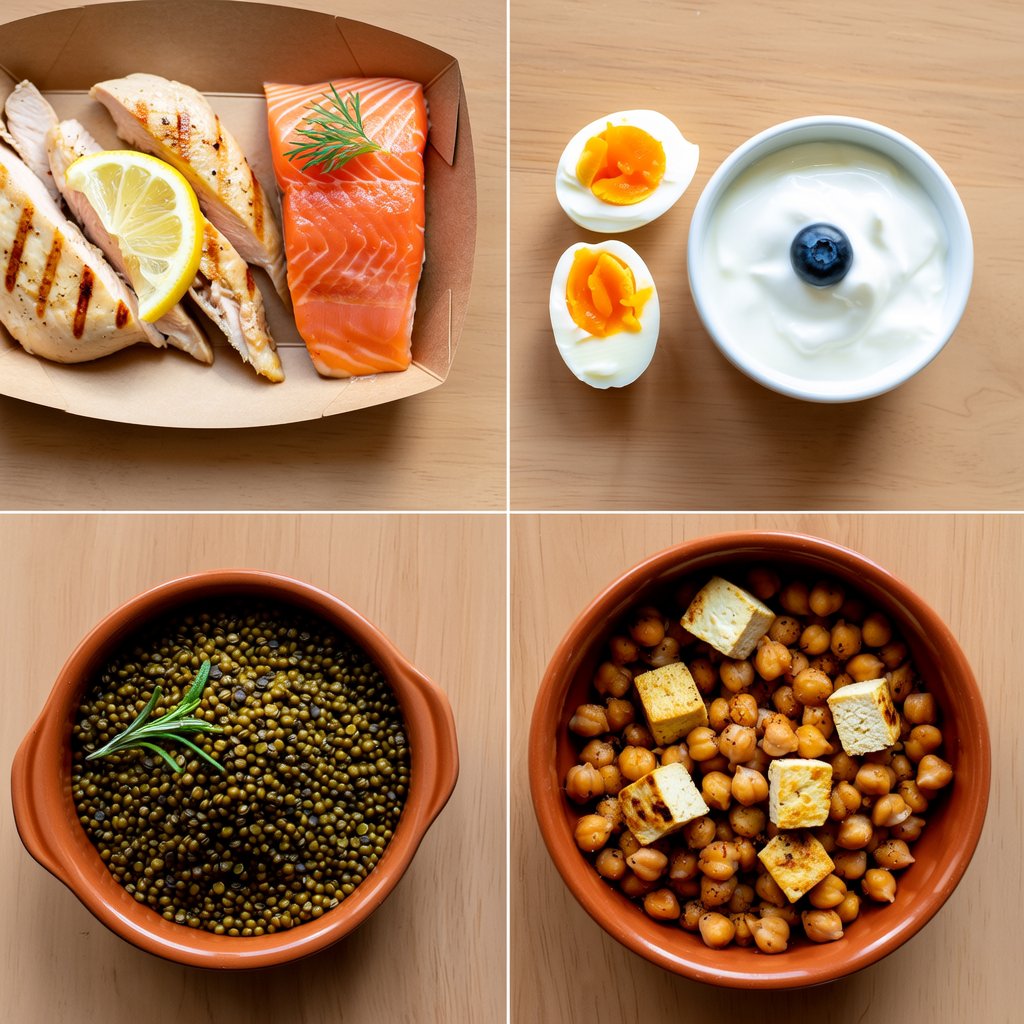
The research gives us a fairly clear range. Here is what the evidence says for different situations:
- Sedentary adult: 0.8 grams per kilogram of body weight. This is the minimum to prevent deficiency. If you do not exercise, this is enough.
- Regular exerciser / recreational athlete: 1.2 to 1.6 grams per kilogram. Most people who work out 3 to 5 times a week fall here.
- Bodybuilder / serious strength athlete: 1.6 to 2.2 grams per kilogram. Higher intakes above 2.2 show little additional benefit for most people.
- Cutting / dieting for fat loss: 1.8 to 2.4 grams per kilogram. When you are in a calorie deficit, higher protein helps preserve muscle.
For a 180-pound (82 kg) person who works out regularly, that means about 98 to 131 grams per day. That is roughly three chicken breasts or four scoops of protein powder. Not nothing, but doable.
Our protein calculator adjusts these numbers based on your specific inputs so you get a target that actually fits your situation.
Does it matter when you eat it
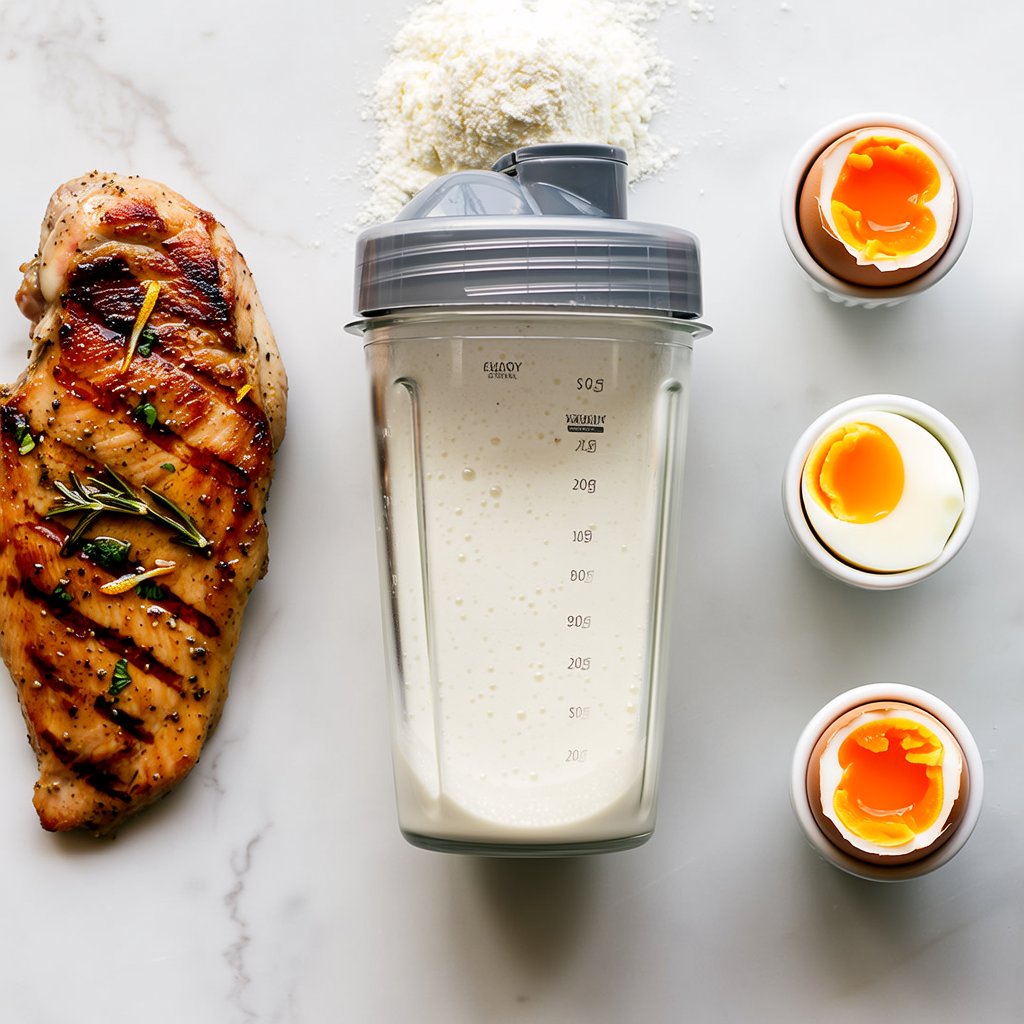
There is a lot of talk about “anabolic windows” and timing. The short answer is that total daily intake matters more than timing for almost everyone.
Spreading your protein across 3 to 4 meals is better than eating it all in one sitting. Your body can only use so much at once, and spreading it out gives your muscles a steady supply of amino acids throughout the day.
Getting some protein around your workouts is still useful. A serving within a couple hours before or after training is enough. If you want specifics, our pre-workout nutrition guide and post-workout guide cover the details.
Whole foods vs. supplements
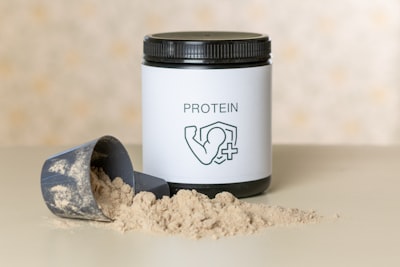
Whole foods should be your main source. Chicken, eggs, fish, dairy, beans, lentils, tofu. They come with other nutrients you need and they digest at a normal rate.
Protein powder is a convenience tool, not a requirement. If you are short on time or struggling to hit your target, a scoop of whey or plant protein fills the gap. But there is nothing magical about it. Our protein powder article goes deeper into when supplements actually make sense.
Signs you are not getting enough
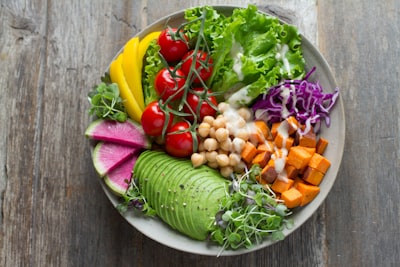
Most people in the West eat enough protein to avoid outright deficiency. But if any of these sound familiar, you might be running low:
- You feel hungry soon after meals
- Your recovery between workouts feels slow
- Your hair and nails seem weaker than usual
- You are losing weight but noticing more muscle loss than fat
If that sounds like you, try bumping your intake by 20 to 30 grams per day and see how you feel. The calculator can show you where your current intake stands relative to your goal.
FAQs
Can you eat too much protein?
For healthy people, very high protein intakes up to 3 grams per kilogram are safe. The old concern about kidney damage applies mainly to people with pre-existing kidney disease.
Is plant protein as good as animal protein?
Yes, if you eat a variety of sources. Soy and pea protein are complete proteins. Mixing rice and bean protein also covers all essential amino acids.
Do I need protein right after my workout?
It helps, but it is not urgent. As long as you eat a meal with protein within a few hours of training, you are fine.
How much protein can my body absorb in one meal?
Research suggests 30 to 50 grams per meal is a reasonable upper limit for muscle protein synthesis. Beyond that, the excess is used for energy or other functions.
Do women need less protein than men?
Per kilogram of body weight, the recommendation is the same. Women often need less total protein because they weigh less, but the per-pound ratio does not change.
Medical & Editorial Review: This article was reviewed by Liam Smith, founder of Apexfito, for accuracy and safety. Content is for educational purposes and is not a substitute for professional medical advice. Consult your physician before starting any exercise or nutrition program.


2 Comments